

Please keep reading to find our reviews of the best cat foods of the year, including the best wet and freeze-dried raw cat food options on the market today.

A Quick Comparison of Our Favorites in 2024
| Image | Product | Details | ||
|---|---|---|---|---|
Best Overall

|
|
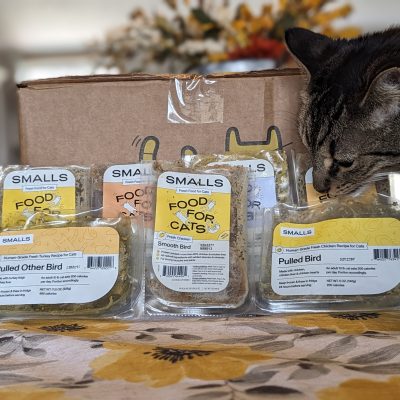
Smalls Human-Grade Fresh Cat Food Subscription |
|
Click to Save 40% Use code: Catster24 |
Best Wet Cat Food

|
|
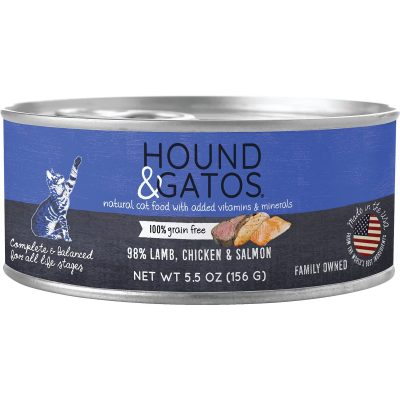
Hound & Gatos Lamb, Chicken & Salmon Cat Food |
|
CHECK PRICE |
Best Freeze-Dried Raw Cat Food

|
|
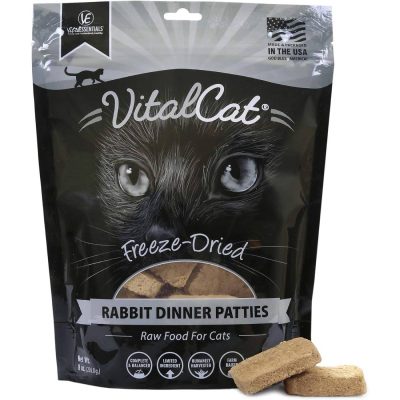
Vital Essentials Rabbit Dinner Patties |
|
CHECK PRICE |
|
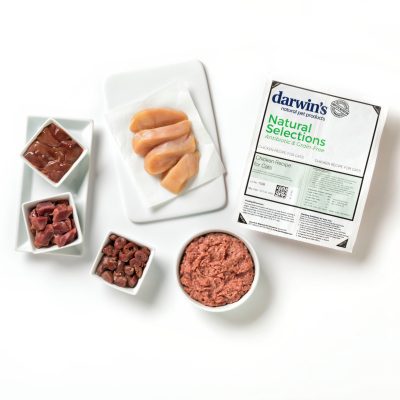
Darwin's Natural Fresh Chicken Cat Food |
|
CHECK PRICE | |
|
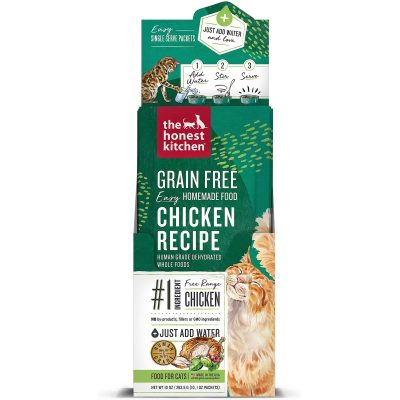
The Honest Kitchen Dehydrated Grain-Free Cat Food |
|
CHECK PRICE |
The tables below display nutritional data from food manufacturers, based on how the food is found in the bag or can (guaranteed analysis). Wet foods contain more moisture than dry, typically over 60-65%, which results in lower nutrient percentages compared to dry kibble. However, this doesn’t imply lower quality or fewer nutrients. When comparing products, it should be done based on dry matter, or between products with equal moisture content. Additionally, it is important to prioritize ingredient quality over quantity when making a choice.
The information about the products below has been fact checked by our veterinarian. However, these products aren’t personally selected by our veterinarian and are the viewpoints of the author. It’s best to discuss your pet’s nutritional needs with your veterinarian prior to implementing a dietary change for your pet.
The 12 Best Cat Foods
1. Smalls Human-Grade Fresh Cat Food Subscription – Best Overall
Click to Save 40% on Smalls & Use Code ConsciousCat2023
| Main ingredients: | Chicken thigh with skin (42.6%), chicken breast (37%), chicken livers (4.7%), green beans (3.8%) |
| Protein content: | 15.5% (minimum) |
| Fat content: | 8.5% (minimum) |
| Calories: | 200 kcal/5 oz |
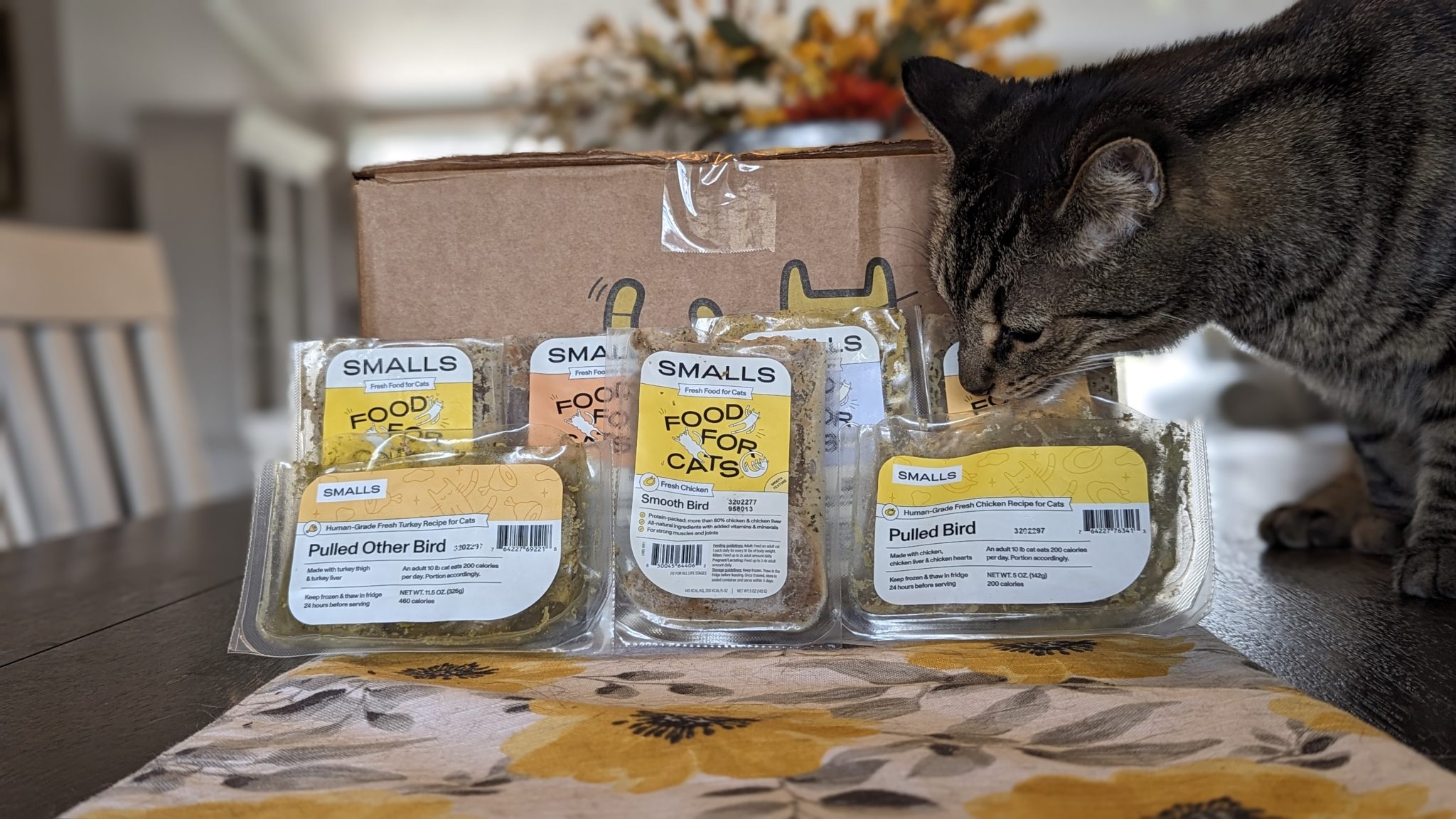
Smalls is a cat food delivery service that provides protein-rich formulas in textures cats love. The company’s Fresh Smooth Bird recipe is our pick for the best overall cat food thanks to its familiar, pate-like texture and protein-focused recipe. With real chicken parts as its first three ingredients and a unique blend of vitamins and minerals, you know you’re providing your cat with the best fresh cat food recipe possible. In addition, this recipe has a low carbohydrate content and is high in moisture to ensure cats get the hydration they need to thrive.
Each of their products comes in a 5 oz bag, and 1 bag meets the nutritional needs of a 10-pound (4.5 kg) cat for a day. Their conveniently portioned recipes are AAFCO-compliant for cats of all life stages (from weaned kittens to seniors).
Since Smalls is a delivery service, it is pricier than most foods you will find in the grocery store. You’ll also rely on their deliveries to get your cat’s food since it’s unavailable in stores. That said, their subscription service is convenient and easy to configure to a delivery schedule that works with your budget and needs, making it worth the slightly higher investment. You can even try them risk-free: Smalls proudly offers a full refund if your cat doesn’t fancy their sampler within two weeks (cats typically take about two weeks to adjust to a new food). From the natural, whole, human-grade ingredients to the convenience and their customer service, we know you and your cat will love Smalls just as much as we do.
- High in protein
- Real chicken parts are the first three ingredients
- Convenient delivery service
- Low in carbohydrates
- Rich in moisture
- Not available in stores
2. Hound & Gatos Lamb, Chicken, and Salmon – Best Wet Cat Food
| Main ingredients: | Lamb, Chicken, Lamb Broth, Salmon, Agar-Agar |
| Protein content: | 10.5% (minimum) |
| Fat content: | 9.5% (minimum) |
| Calories: | 199 kcal/5.5 oz can |
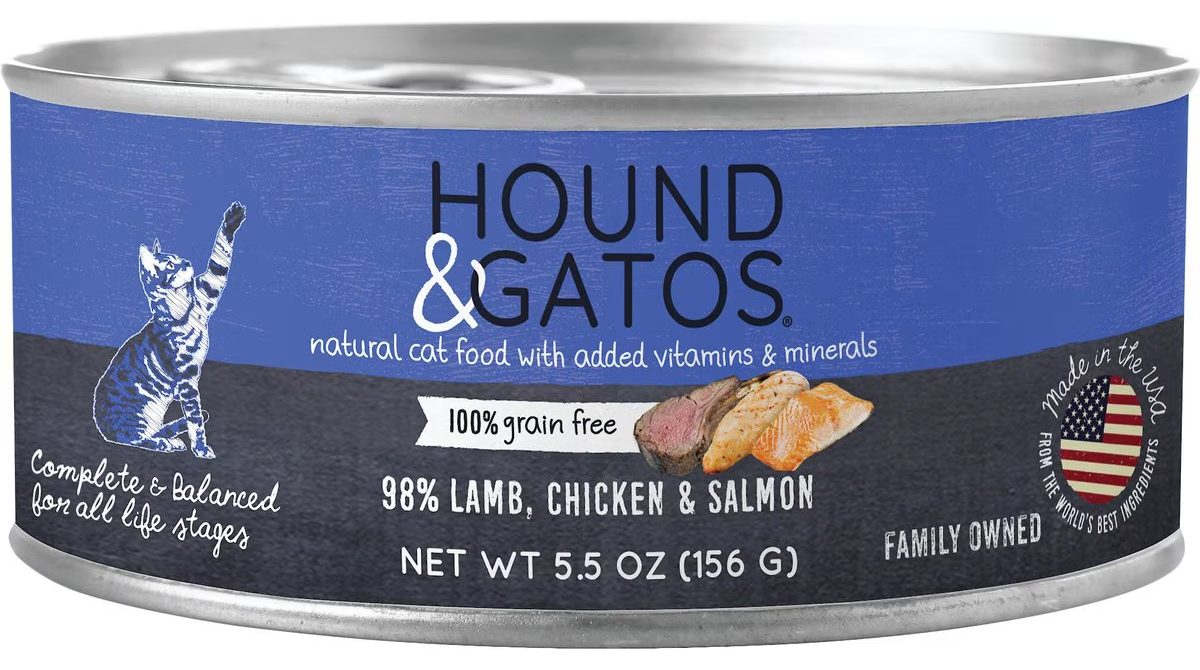
The Hound & Gatos 98% Lamb, Chicken & Salmon Grain-Free Canned Cat Food is a plant protein-free wet food perfect for your cat’s carnivorous diet. This recipe is made of high-quality lamb, chicken, and salmon, with the majority (98%) of the recipe’s protein being derived from animal sources. This limited key ingredient formula has no added grains. This food has a pate-like texture that most cats are drawn to right away, though some may find it too thick. This can be remedied by adding a smidge of water to thin the consistency.
This food also has a gel layer on top which must be mixed thoroughly before the contents of the can are offered to your cat. This makes the preparation of the meal slightly longer in some cases. All in all, we think this is the best canned cat food available this year.
- Free of plant proteins
- Grain free
- Ingredients are 98% animal protein
- Pate-like texture
- Strong scent
- Somewhat gelatinous texture which must be mixed well before serving
3. Vital Essentials Rabbit Dinner Patties – Best Freeze-Dried Raw Cat Food
| Main ingredients: | Rabbit, Rabbit Liver, Rabbit Heart, Rabbit Kidney, Rabbit Lung |
| Protein content: | 60.0% (minimum) |
| Fat content: | 17.0% (minimum) |
| Calories: | 108 kcal/oz (61 kcal/patty, 3.8 kcal/gram) |
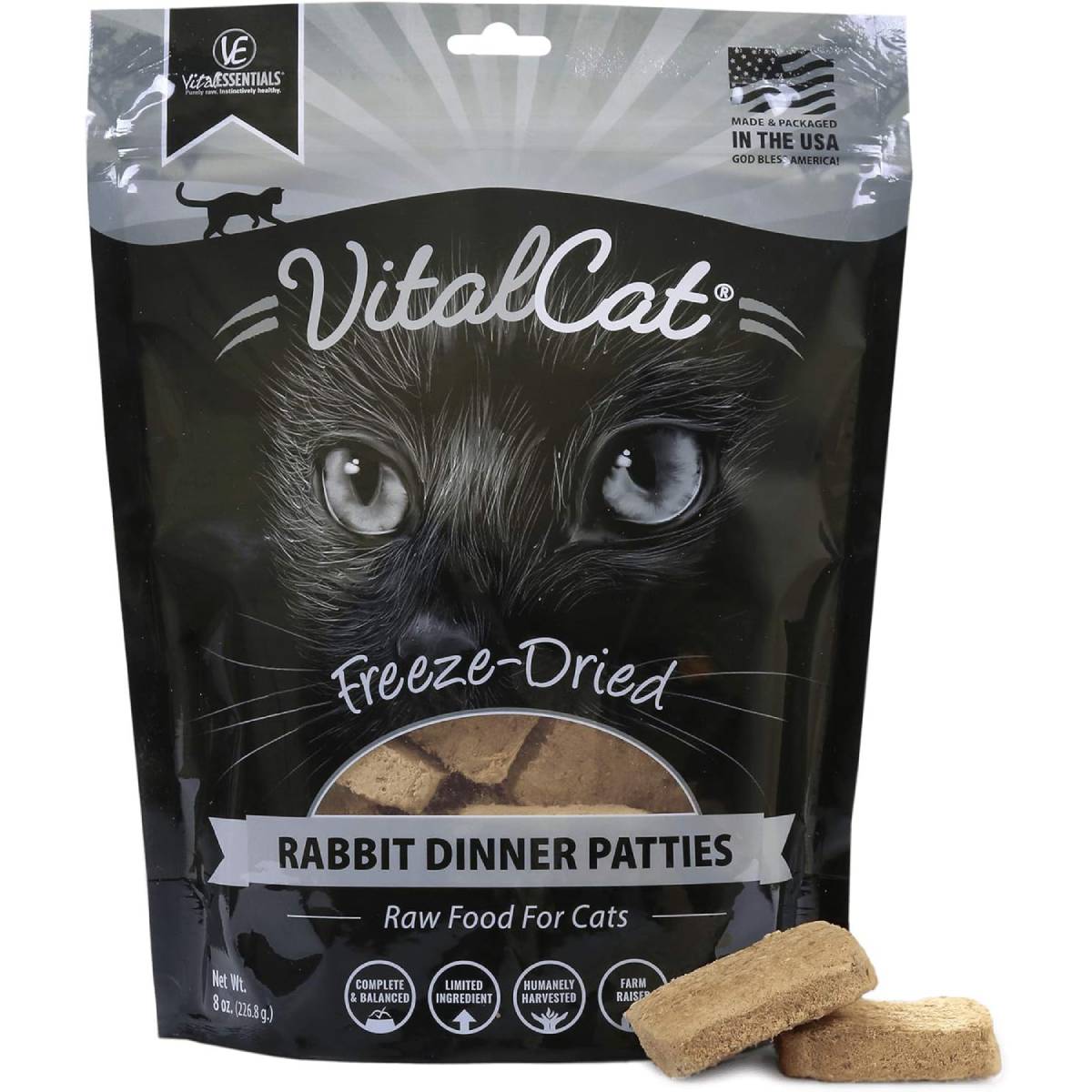
Vital Essentials Rabbit Dinner Patties Grain-Free Limited Ingredient Freeze-Dried Cat Food is our pick for the best dehydrated and freeze-dried raw cat food. These patties provide a limited-ingredient cat food, perfect for pet owners looking to reduce their pet’s exposure to overly processed food. It’s made with a novel protein for most cats—rabbit—and features organ meat such as liver, heart, and kidney. This formula is free of any additional flavorings and fillers. The raw meat recipe is freeze-dried during manufacturing to preserve the nutrients and maintain freshness.
As with most freeze-dried food, it must be rehydrated before serving, which can be time-consuming.
In addition, some users have reported the patties being crushed during the shipping process, making portioning somewhat difficult. Finally, the reconstitution process makes this product unpalatable for some picky cats.
- Novel protein options
- Limited ingredient diet
- Contains organ meat
- No artificial flavors or fillers
- Freeze-dried to maintain nutrition
- Patties might not travel well during shipping and crumble
- Time-consuming to rehydrate
4. Darwin’s Natural Fresh Cat Food Chicken Recipe
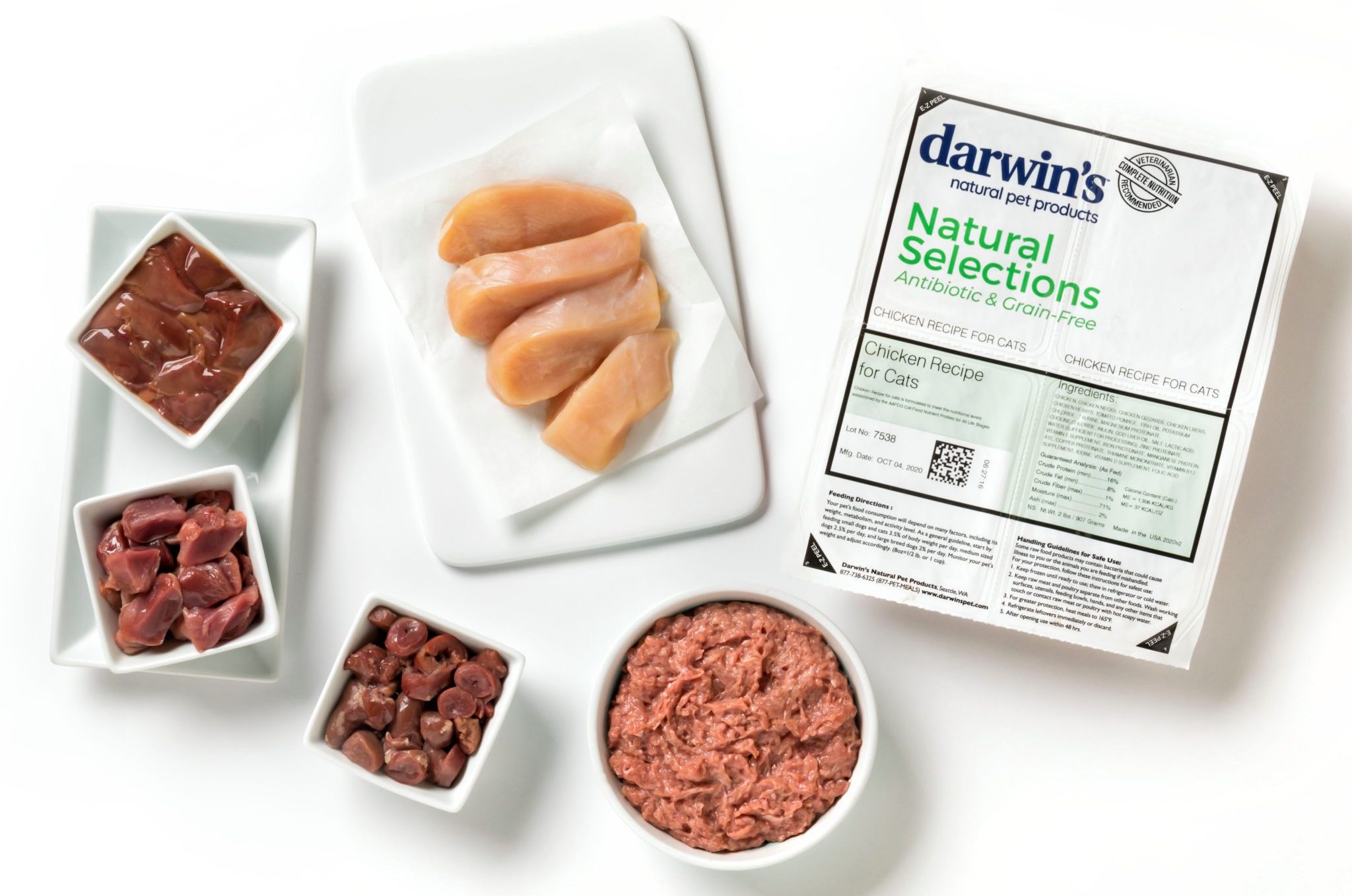
Click to Get 10 Pounds of Darwin’s For Just $14.95!
| Main ingredients: | Chicken Meat, Chicken Necks with Bone, Chicken Gizzards, Chicken Livers, Chicken Hearts |
| Protein content: | 16.0% (minimum) |
| Fat content: | 9.0% (minimum) |
| Calories: | 40 kcal/oz |
Like Smalls, Darwin’s Natural Pet Products produces fresh and natural food for cats. The difference between the two is that while some recipes of Smalls are slightly cooked, Darwin’s recipes are raw. Their chicken recipe provides a great source of protein and B vitamins, which cats need for proper carbohydrate, protein, and lipid metabolism. The meat is hormone, steroid, and antibiotic free, so it’s something you can feel good about feeding your cat. This raw formula is made primarily of muscle meat, organs, and bones and is minimally processed to preserve nutrients.
Also, like Smalls, Darwin’s is a pet food delivery service, so you should expect to pay more than you would for food in your local pet store. There are also some consumer complaints about the food not arriving frozen as it should be.
- Made with real muscle meat and organs
- Hormone, steroid, and antibiotic free
- Minimally processed
- Convenient delivery service
- A bit on the expensive side
- Some consumers had issues with shipping
5. The Honest Kitchen Dehydrated Grain-Free Chicken Cat Food
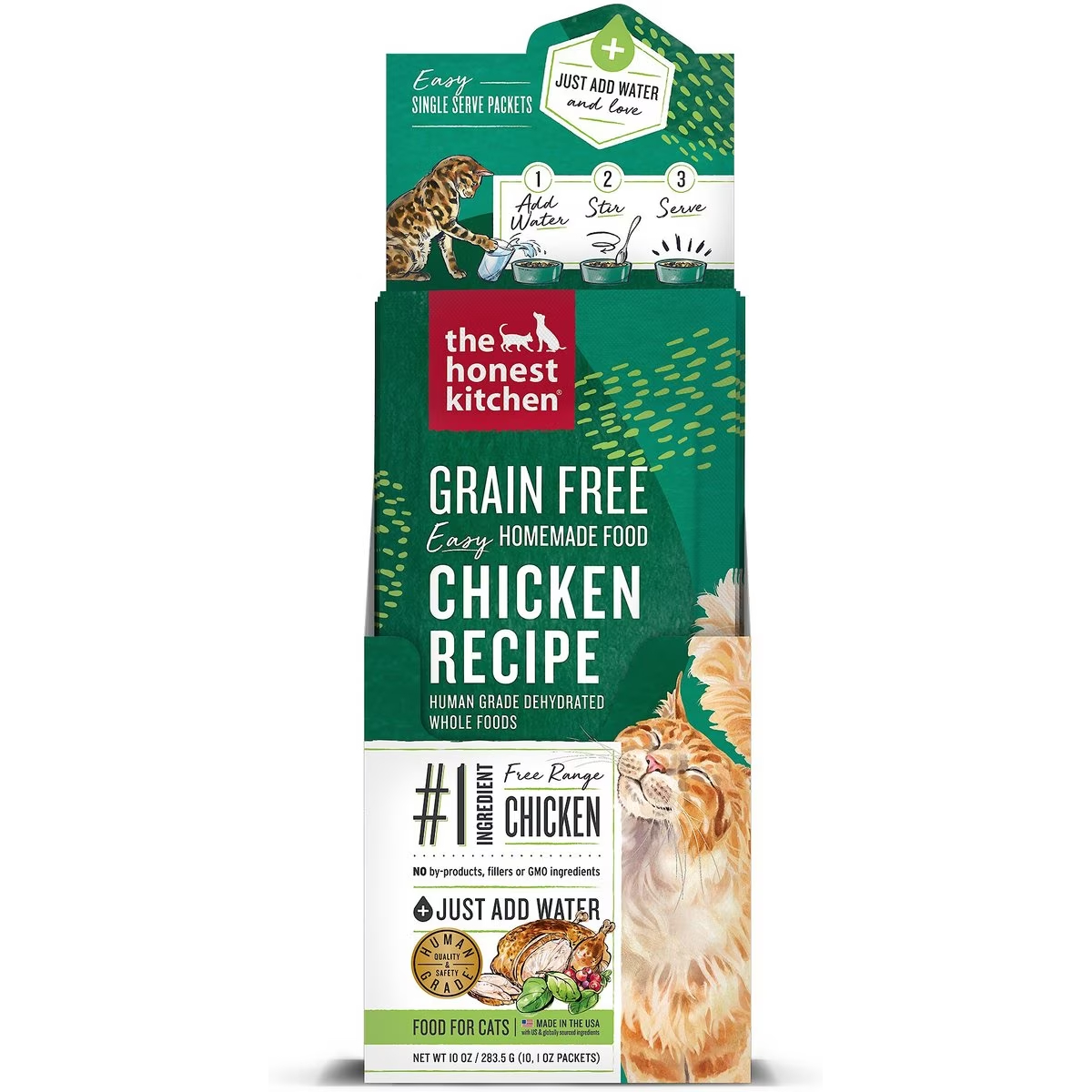
| Main ingredients: | Chicken, Sweet Potatoes, Potatoes, Flaxseed, Eggs |
| Protein content: | 42.0% (minimum) |
| Fat content: | 28.0% (minimum) |
| Calories: | 128 kcal/ 1 oz packet |
The Honest Kitchen Dehydrated Grain-Free Chicken Cat Food is a USA-made food packed with whole food ingredients such as free-range chicken and sweet potatoes. Add warm water to serve this meal that will rehydrate to four times its weight. This formula features no by-products, fillers, or GMO ingredients. It is boosted with probiotics to help support your cat’s digestion and features bone broth for extra flavor and protein. This formula is great for kittens and is AAFCO compliant for all life stages.
This recipe is higher in carbs than others that made our list. It also has an average amount of protein and more fat than others.
- Made with human-grade ingredients
- No by-products, fillers, or GMO ingredients
- Boosted with probiotics for digestion
- Made with free-range chicken
- High in carbs
- Lower in protein than other similar products
6. Dr. Elsey’s cleanprotein Turkey Formula Grain-Free Canned Cat Food
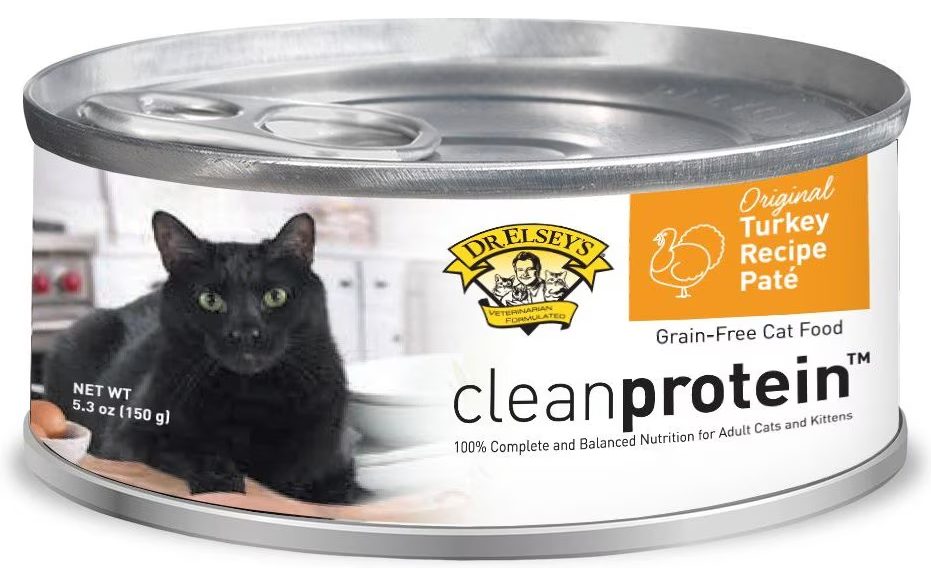
| Main ingredients: | Turkey, Turkey Broth, Turkey Liver, Dried Egg Product, Agar-Agar |
| Protein content: | 11.0% (minimum) |
| Fat content: | 8.0% (minimum) |
| Calories: | 202 kcal/5.5 oz can |
Dr. Elsey’s cleanprotein Turkey Formula Grain-Free Canned Cat Food is a low glycemic formula that provides just 4% of energy from carbohydrates. It features real turkey as the first ingredient and turkey liver as the third, providing a hefty dose of species-appropriate protein. This formula is supplemented with vitamins and minerals like riboflavin and biotin. It contains no added fillers or gluten and has a smooth pate texture cats love.
Some consumers have reported palatability issues and found their cats are not fond of the flavor or texture of the meat.
- Gluten free
- Real turkey as the first ingredient
- Supplemented with vitamins and minerals
- No added fillers
- Might not be readily accepted by some cats
7. Nature’s Logic Feline Rabbit Feast Grain-Free Canned Cat Food
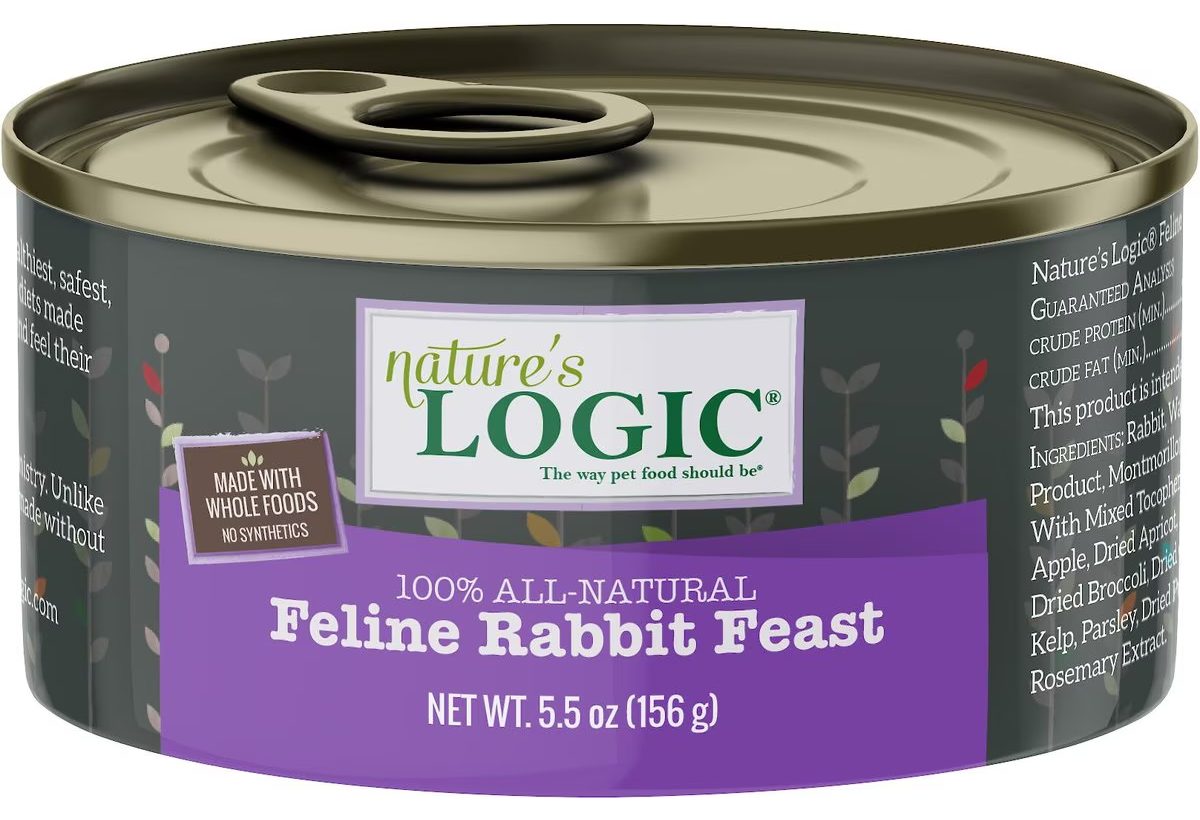
| Main ingredients: | Rabbit, Water Sufficient for Processing, Pork Liver, Dried Egg Product, Porcine Plasma |
| Protein content: | 12.0% (minimum) |
| Fat content: | 7.0% (minimum) |
| Calories: | 212 kcal/5.5 oz can |
Nature’s Logic Feline Rabbit Feast Grain-Free Canned Cat Food is a grain and gluten-free formula low in carbohydrates. It has real rabbit as its first ingredient and boasts over 90% animal protein to help mimic your cat’s natural diet. Rabbit and pork are considered novel proteins for most cats, which can be great for cats with allergies to other protein sources. That said, this product is not a single-source protein. This recipe includes whole foods like apples which can be good for cats thanks to its calcium and vitamin-rich skin, and blueberries for a dose of antioxidants and fiber. In addition, this formula contains naturally occurring taurine, an essential amino acid cats need in their diet.
This food is extremely expensive, making it inaccessible for many cat owners.
- Rabbit and pork may be novel proteins for most cats
- Over 90% animal protein
- Contains whole foods like fruits and vegetables
- Contains naturally occurring taurine
- Not a single source protein
- Very high price
8. Ziwi Peak Venison Recipe Canned Cat Food
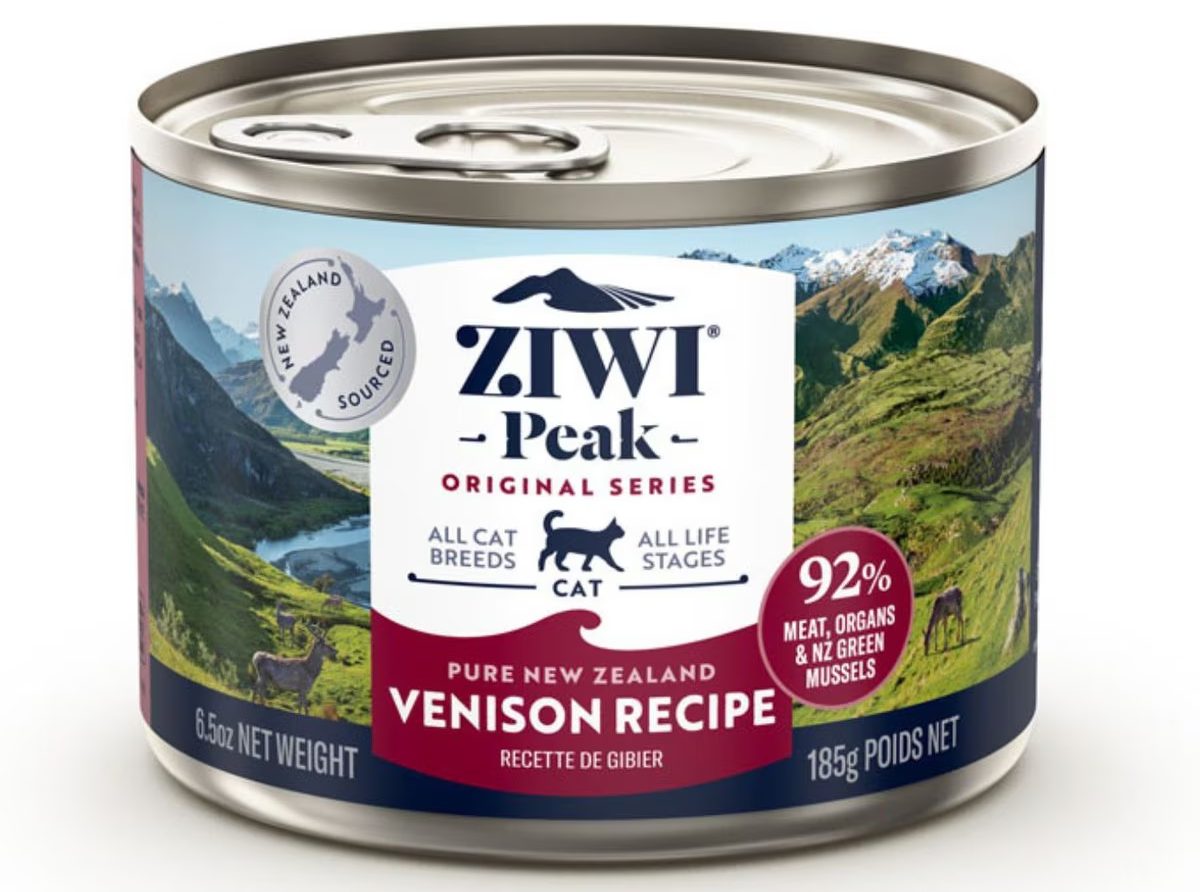
| Main ingredients: | Venison, Water, Venison Tripe, Venison Liver, Chickpeas, Venison Lung, Venison Heart |
| Protein content: | 10.0% (minimum) |
| Fat content: | 4.0% (minimum) |
| Calories: | 222 kcal/6.5 oz can |
The Ziwi Peak Venison Recipe Canned Cat Food is a venison-based recipe containing muscle meat, broth, and organs like the liver, lungs, and heart. As with most Ziwi Peak recipes, this formula includes the company’s standard green-lipped mussels, providing a species-appropriate source of glucosamine and chondroitin for joint health. This single-protein recipe is made without cheap fillers. All the meat that Ziwi Peak uses for its recipes are ethically and sustainably sourced.
The company uses tin with an internal lacquer for their cans. These cans are “BPA-NI”, which translates to “BPA non-intent,” meaning no BPA is intentionally added to the lacquer, but it cannot be labeled BPA-free.
This recipe contains chickpeas which increase its carbohydrate content, making this recipe moderate in carbs.
- Single protein recipe
- Sustainably sourced venison
- Can promote joint health
- Contains muscle and organ meat
- No artificial ingredients or fillers
- Cans may contain BPA
- Higher in carbohydrates
9. Tiki Cat Succulent Chicken in Chicken Consommé Canned Cat Food
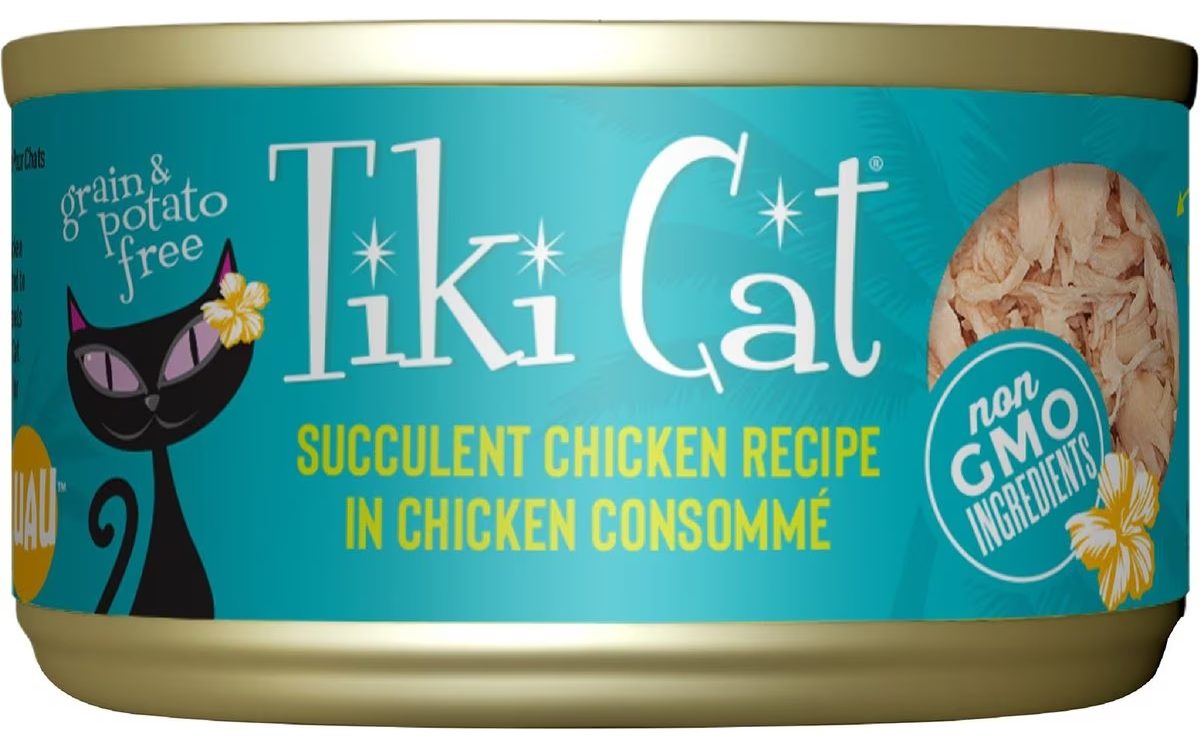
| Main ingredients: | Chicken, Chicken Broth, Sunflower Seed Oil, Calcium Lactate, Dicalcium Phosphate |
| Protein content: | 16.0% (minimum) |
| Fat content: | 2.6% (minimum) |
| Calories: | 63 kcal/2.8 oz can |
The Tiki Cat Puka Puka Luau Succulent Chicken in Chicken Consomme Grain-Free Canned Cat Food is made with real chicken and slathered in a hydrating chicken broth to boost your cat’s hydration levels. It is made without any artificial coloring or flavors. Its shredded texture is not unlike canned chicken, but it can be hit or miss with cats.
This formula features sunflower seed oil as its third most prominent ingredient. This oil is often added to canned food as a fat source but isn’t as diverse as other carnivore-appropriate fatty acids such as fish oil.
Some consumers have reported that their cats refuse to try other foods once they’re accustomed to this product. This might be a hassle for those who wish to diversify their cat’s nutritional portfolio.
- Made with real chicken
- Very hydrating
- No artificial colors
- Rich in animal-sourced protein
- Some cats might refuse to eat other foods after sampling this (could be a good thing for a fussy eater, though)
- Heavy emphasis on plant-sourced fat
10. Weruva Press Your Dinner! Chicken Paté Cat Food
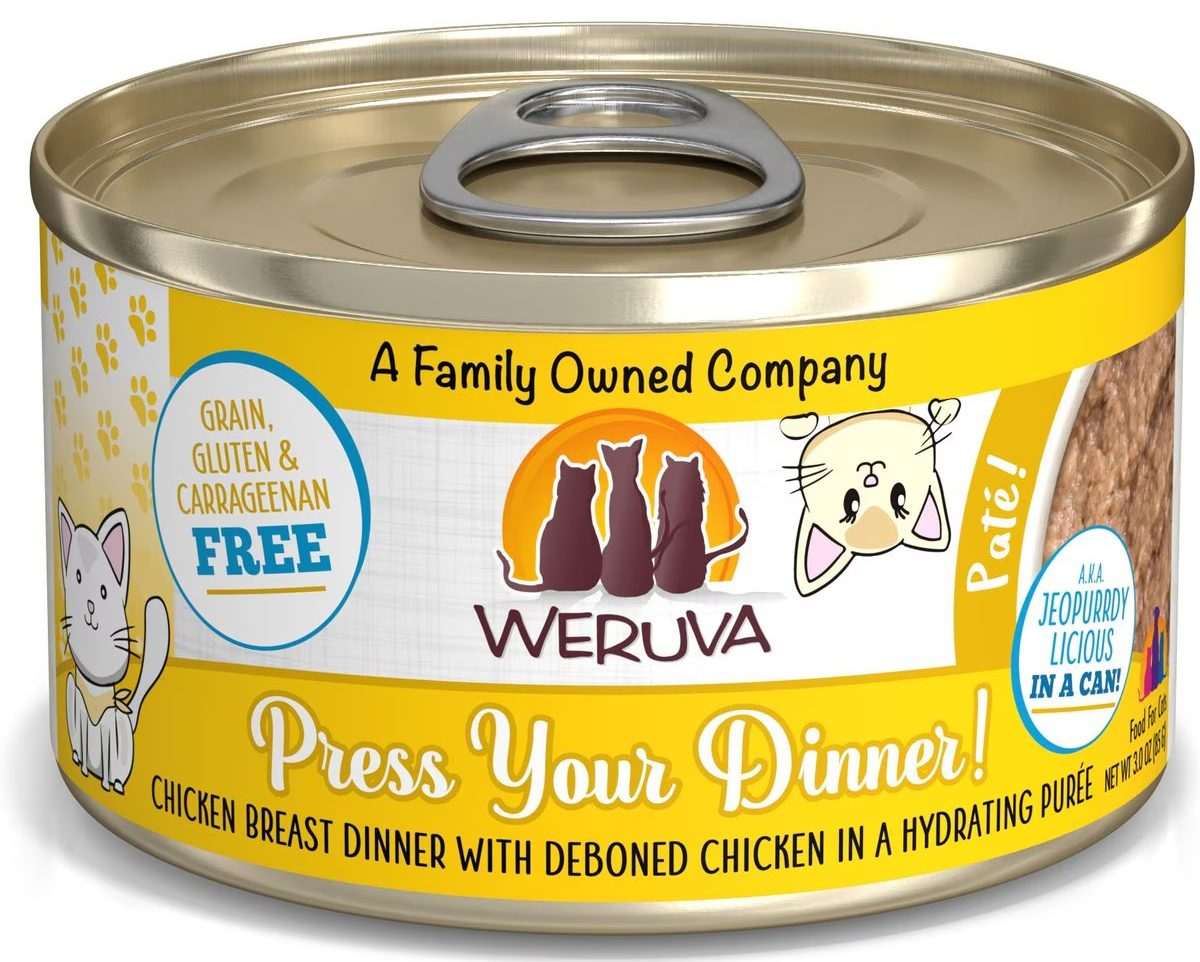
| Main ingredients: | Chicken, Chicken Broth, Natural Flavor, Sunflower Oil, Xanthan Gum |
| Protein content: | 9.0% |
| Fat content: | 4.0% |
| Calories: | 93 kcal/ 3 oz can |
The Weruva Classic Cat Paté, Press Your Dinner with Chicken Wet Cat Food is made with wholesome ingredients and is gently pureed into a texture that cats will either love or hate. The texture is a bit pudding-like in consistency, making it a great pick for senior cats or those with dental issues. It’s made with real chicken and chicken broth for a high-protein, hydrating meal. It has an 82% moisture content to promote urinary tract health and ensure your kitty gets the hydration it needs to thrive. In addition, this formula is free of artificial colors, flavors, and MSG.
There appears to be some issues with consistency from can-to-can. Some have slightly different scents or colorations that may turn cats off.
- High in moisture
- Made with real chicken
- Free of artificial colors
- Jelly-like consistency is great for seniors
- Texture can be a turn-off to some cats
- Inconsistent from can to can
- See Also: Weruva Patés Cat Food Review
11. Stella & Chewy’s Tummy Ticklin’ Turkey Dinner Morsels Freeze-Dried Raw Cat Food
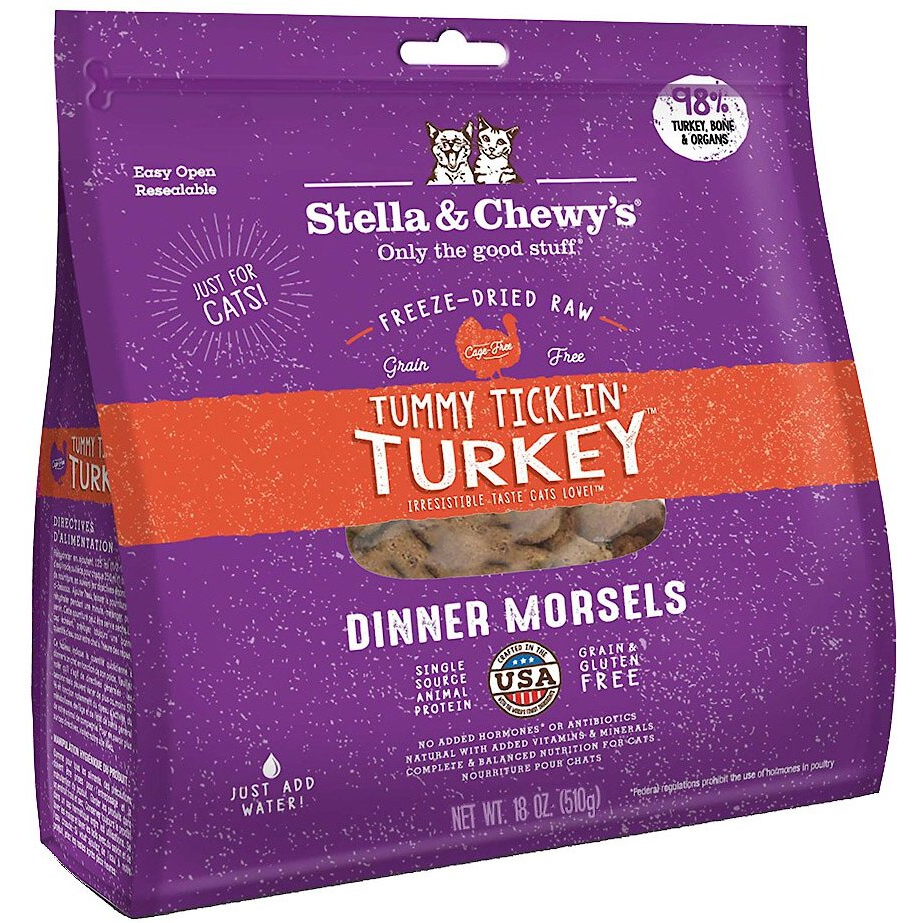
| Main ingredients: | Turkey With Ground Bone, Turkey Liver, Turkey Gizzard, Pumpkin Seed, Potassium Chloride |
| Protein content: | 40.0% |
| Fat content: | 37.0% |
| Calories: | 208 kcal/oz |
Stella & Chewy’s Tummy Ticklin’ Turkey Dinner Morsels Freeze-Dried Raw Cat Food combines the benefits of a raw diet and the convenience of freeze-dried meals. You can serve these morsels as-is or rehydrate them by adding water. Rehydrating the morsels is a great option if you know your kitty isn’t getting the hydration it needs from its water bowl. This formula is made in a USA-based kitchen with responsibly sourced, cage-free turkey and organic fruits and vegetables. The recipe is 98% turkey, organs, and bone. It doesn’t have any artificial preservatives or colors added.
Rehydrating the morsels can take a while, and they sometimes don’t mix well with the water. There are also reports of the food being crumbly upon arrival.
- Can serve dry or rehydrated
- Made in USA-based kitchen
- Made with cage-free turkey
- 98% animal protein
- No artificial preservatives
- Inconsistency in morsel texture
- Can take a while to rehydrate
12. Primal Chicken & Salmon Formula Raw Freeze-Dried Nuggets
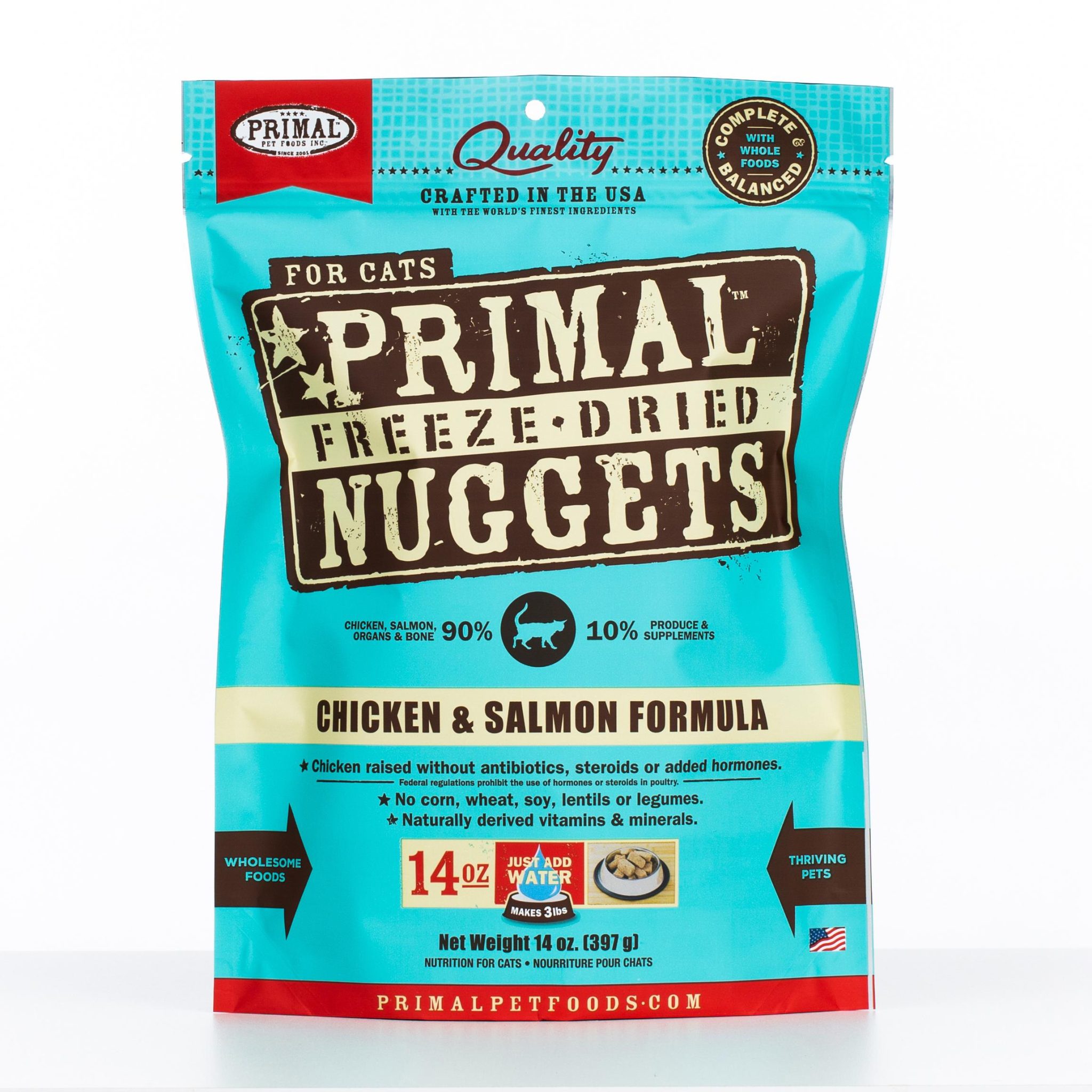
| Main ingredients: | Chicken With Ground Bone, Chicken Livers, Salmon, Organic Pumpkin Seeds, Organic Sunflower Seeds |
| Protein content: | 49.0% |
| Fat content: | 26.0% |
| Calories: | 128 kcal/oz |
Primal Chicken & Salmon Formula Nuggets Grain-Free Raw Freeze-Dried Cat Food is made with antibiotic and hormone-free chicken meat and organs. Chicken accounts for the bulk of the protein in this recipe, but it also contains wild-caught salmon as one of its main ingredients to provide your pet with a good source of omega fatty acids. This formula focuses on whole-food nutrition and has no synthetic vitamins or minerals in its ingredient list. It’s fast and easy to serve when rehydrated with water or Primal Raw Goat Milk. In addition, this formula doesn’t have excessive bone content and is free of artificial ingredients.
This recipe heavily focuses on fruits and vegetables, which aren’t necessarily species-appropriate for your little carnivore.
- Antibiotic and hormone-free chicken
- Salmon for omega fatty acids
- No synthetic vitamins or minerals
- Easy to serve
- Some cats may be allergic to salmon
- Heavy focus on fruit and vegetable ingredients
Buyer’s Guide: How to Choose the Best Cat Food
Are you still feeling overwhelmed by all your cat food options? Raw, wet, dehydrated – how can you know which food type will be best for your cat’s needs? Read on to learn more about choosing the best cat food for your feline family members.
Raw Food Diets
A raw food diet for cats is a highly controversial topic. Your kitty’s wild ancestors certainly ate raw foods to survive, but that doesn’t necessarily mean your highly pampered domesticated kitty has the same nutritional needs.
A raw diet focuses on unprocessed foods made with natural ingredients. You already know that your obligate carnivore needs animal tissues to thrive, and raw foods provide this by placing a heavy emphasis on uncooked meat and organs. Many raw diets also include ground bone for calcium and phosphorus.
Raw diets generally provide high-quality nutrition with fewer processed ingredients. As a result, they may promote better digestion.
It’s important to know that seeing the term “raw” on your cat’s food bag doesn’t automatically make it healthy.
The biggest concern with a raw diet is that it may pose an infectious disease risk for both your cat and you. A one-year study tested commercially available raw foods for bacteria and found that nearly 25% of the samples tested positive for bacteria like Salmonella spp. and Listeria monocytogenes.
Raw diets may put your cat at risk of nutritional imbalances and pose foreign body risks (e.g., bones).
Feeding your cat a high-quality diet is important for keeping them healthy and happy. But it goes beyond the food you choose; the dishes they use also matter. The Hepper NomNom Cat Bowl is our favorite for its unique, five-star design that protects from whisker fatigue and promotes good posture which also aids in better digestion. As an added bonus, it’s beautifully crafted and offers a modern take on the traditional cat bowl that fits seamlessly with all home stylings. Learn more about the NomNom by clicking here. At Catster, we’ve admired Hepper for many years and decided to take a controlling ownership interest so that we could benefit from the outstanding designs of this cool cat company! 
Wet Food Diets
A wet (or canned) food diet is one of the most often recommended cat diets.
Canned food is designed to help increase your cat’s water intake. Most wet food has a moisture content of around 75% (compared to dry foods’ 6% to 10%). Dehydration is a huge issue for indoor cats, leading to health problems like urinary tract blockages and constipation.
Wet food is highly palatable and strongly scented, two factors that can entice a picky or sick cat into eating.
The biggest downside of a wet food diet is that it is expensive, especially when compared to dry food. However, raw and dehydrated food diets are likely much the same in price.
Dehydrated & Freeze-Dried Food Diets
Freeze drying is a process whereby food is frozen and put into a vacuum to sublimate the water content. The resulting product is then put into an air-tight package to remove any remaining moisture, providing a much more shelf-stable food. Freeze-dried cat food isn’t cooked or pasteurized, making it raw.
Dehydrating is a different technique cat food manufacturers use to achieve the same goal as freeze drying—removing the moisture to create food with a stable shelf life. The dehydration process requires heat, but not enough for the resulting food to be considered cooked.
Both processes (freeze drying and dehydration) are popular options as the quality nutrients and vitamins of the food’s ingredients are not lost through cooking.
The problem with feeding your cat dehydrated or freeze-dried diets is the same as if you were feeding a raw diet. The biggest concern is contamination, as illness-causing pathogens can survive the freeze-drying and dehydration processes.
There may be risks of nutritional deficiencies due to dietary imbalances, though this can be sidestepped by choosing a food labeled as complete and balanced. Many dehydrated and freeze-dried cat foods are designed to be used as meal toppers and not as your cat’s sole food source, so they don’t contain all the vitamins and minerals your kitty needs to thrive.
What About Dry Food?
You’ve probably noticed by now that the list above contained no mention of dry food at all. You’re probably wondering why that is, and the answer comes down to the following:
- It is low in moisture.
- It is high in carbohydrates.
- It focuses on protein sourced from plants versus animals.
- It can promote overeating.
It Is Low in Moisture
The biggest difference between wet, raw, and dehydrated cat food and dry food is the moisture levels. Dry food contains around 10% water; the remaining 90% is dry matter like carbohydrates, fats, and vitamins. Wet food, on the other hand, contains approximately 70% water. This is especially important if your cat has certain health conditions that would do well with a moisture-rich diet.
It Is High in Carbohydrates
Carbohydrates act as an essential energy source for many animals. However, this isn’t as true for cats as they’ve evolved to derive most of their energy from the protein and fat they ingest. Therefore, carbohydrates should play a small part in a cat’s diet. Unfortunately, dry food is much higher in carbs than other food types.
According to PetMD, diets that are too high in carbs can cause weight gain and related health issues like diabetes.
It Focuses on Protein Sourced from Plants versus Animals
Many dry foods require grains like rice to assist with kibble processing. In addition, some foods contain more plant-based proteins than meat, which is not ideal for your obligate carnivore kitty who needs animal protein to thrive.
It Can Promote Overeating
Cats evolved to eat diets rich in protein and fats but deficient in carbohydrates. As such, consuming fat and protein does a better job of signaling to a cat that it is satiated and should stop eating. Unfortunately, consuming carbohydrates does not have the same effect, resulting in overeating and, eventually, obesity.

Conclusion
For the overall best cat food, Smalls’ Human-Grade Fresh Cat Food provides cats with a low carbohydrate and high protein, species-appropriate food in a texture they’ll love. The best wet cat food, Hound & Gatos Lamb, Chicken & Salmon Grain-Free Canned Cat Food, is a plant protein-free recipe with 98% animal protein for a formula designed to keep your obligate carnivore happy and healthy. Finally, the best dehydrated and freeze-dried raw cat food, Vital Essentials Rabbit Dinner Patties, provides cats with a novel protein source containing the organ meats they would eat in the wild.
We hope our reviews have shed some light on the always-important topic of feline nutrition. Now that you know the best cat foods on the market, you can decide which will be healthiest and most appropriate for your kitty and its tastes.
See also:
- Top 10 Healthiest Cat Foods (Top Ingredients & Brands)
- GMO in Cat Food: Vet-Reviewed Health & Nutrition Facts
Featured Image Credit: Pixel-Shot, Shutterstock
Contents
- A Quick Comparison of Our Favorites in 2024
- The 12 Best Cat Foods
- 1. Smalls Human-Grade Fresh Cat Food Subscription – Best Overall
- 2. Hound & Gatos Lamb, Chicken, and Salmon – Best Wet Cat Food
- 3. Vital Essentials Rabbit Dinner Patties – Best Freeze-Dried Raw Cat Food
- 4. Darwin’s Natural Fresh Cat Food Chicken Recipe
- 5. The Honest Kitchen Dehydrated Grain-Free Chicken Cat Food
- 6. Dr. Elsey’s cleanprotein Turkey Formula Grain-Free Canned Cat Food
- 7. Nature’s Logic Feline Rabbit Feast Grain-Free Canned Cat Food
- 8. Ziwi Peak Venison Recipe Canned Cat Food
- 9. Tiki Cat Succulent Chicken in Chicken Consommé Canned Cat Food
- 10. Weruva Press Your Dinner! Chicken Paté Cat Food
- 11. Stella & Chewy’s Tummy Ticklin’ Turkey Dinner Morsels Freeze-Dried Raw Cat Food
- 12. Primal Chicken & Salmon Formula Raw Freeze-Dried Nuggets
- Buyer’s Guide: How to Choose the Best Cat Food
- Raw Food Diets
- Wet Food Diets
- Dehydrated & Freeze-Dried Food Diets
- What About Dry Food?
- It Is Low in Moisture
- It Is High in Carbohydrates
- It Focuses on Protein Sourced from Plants versus Animals
- It Can Promote Overeating
- Conclusion