

Cats are family members, and they deserve the best possible care, including the most nutritious diet possible. But there’s tons of information online with varying suggestions regarding feline nutrition. Some articles state that kibble is bad for cats. Others suggest it’s fine to feed cats dry-food-only diets as long as they eat formulations certified as nutritionally adequate by the American Association of Feed Control Officials (AAFCO). So, which is correct? The answer is a bit nuanced! Since cats thrive in high protein and moisture-rich diets your cat may benefit most from fresh or canned (wet) food. It’s always a good idea to speak to your veterinarian for advice on your cat’s specific dietary needs.
Dry food tends to be high in carbohydrates, which can lead to blood sugar spikes and weight gain. Wet food generally has fewer carbohydrates than dry food and is lower in calories ounce for ounce. Wet food also has the added benefit of providing increased hydration. This makes wet food more appealing from a nutritional standpoint.

What Are the Benefits of Dry Food?
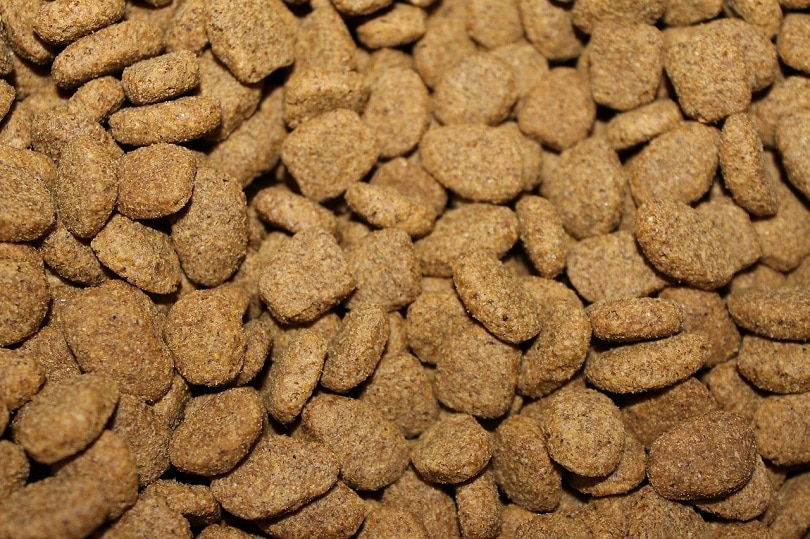
Dry food is relatively inexpensive and convenient, and many cats anecdotally “enjoy” the taste of kibble and its crunchy texture, which may have some dental health benefits if you choose the right product. But all cats, no matter what type of food they eat, need to have their teeth brushed regularly for optimum dental health.
Affordability
But most of the benefits of dry food can be chalked up to convenience and affordability. Cats require less dry food to meet their caloric needs than wet food, as pates and gravy mixes contain water and fewer calories per ounce. It’s usually far cheaper to feed pets dry-food-only diets, as cats often require more servings of wet food to meet their nutritional needs, and it tends to be more expensive.

Convenience
Many pet parents opt for dry food for convenience, and some owners prefer free-feeding their pets rather than serving meals at specific times. Free feeding gives your cat a bit of autonomy, and you don’t have to worry about hurrying home to ensure your cat gets fed at a precise time. But this isn’t advised by veterinarians, because allowing pets to eat all they want can quickly lead to weight gain. Conditions such as high blood pressure, diabetes, and heart disease are often seen in overweight cats.
What Are the Downsides to Serving Kibble?
Although several high-quality brands provide well-balanced nutrition, some manufacturers include chemical preservatives and low-quality ingredients in their formulas. As long as you research your cat’s food carefully and select a high-quality formula, you’re unlikely to run into that problem.
Unlike wet food, dry food contains little moisture, and most brands only include 13% to 15% at the most. Consuming a 100% dry food diet can disrupt your cat’s hydration if it’s not drinking enough water. Also, kibble may be denser and packed with more calories than wet food (depending on its ingredients), so it’s easier to overfeed your cat.
However, you can ask your vet about your pet’s ideal portion size according to its weight and age. Then, you can use a measuring cup to portion the perfect amount for each meal.
Is It Okay to Mix Kibble and Wet Food?
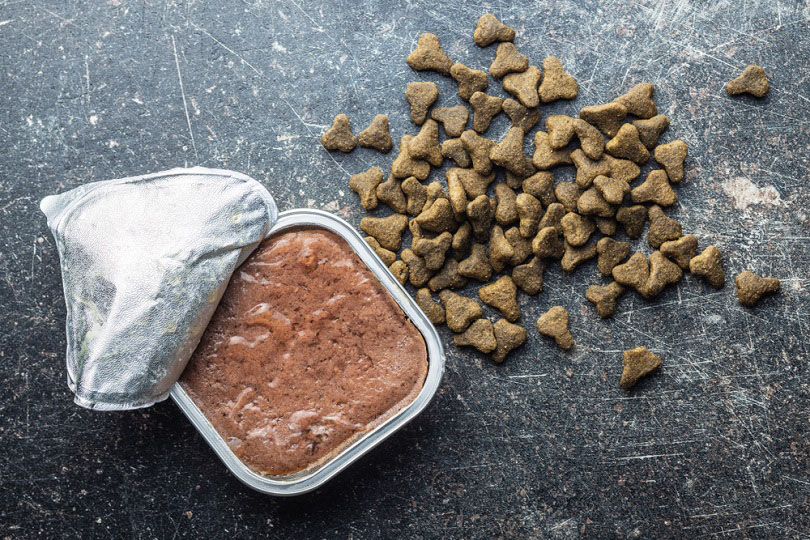
While it’s not incredibly healthy for cats to only eat dry food, it’s acceptable to include dry food as part of a balanced diet with high-quality wet food, if your cat seems to enjoy it. Not only does wet food contain fewer carbohydrates per ounce, but it also has a lot of moisture. Many indoor cats don’t consume enough water, which may contribute to the development of urinary tract conditions and kidney disease.
For some cat parents, a combination of wet and dry foods can be a plausible way of meeting your pet’s needs. Many pet parents give their cats a measured amount of dry food once daily and then add 1 or 2 servings of wet food to the mix, often at night. This variation on controlled feeding allows cats to snack when they want but ensures they can only access limited (and reasonable) quantities of dry food to prevent overeating and weight gain.
Just remember to clean up wet food within a few hours of putting it out for your cat to prevent your buddy from eating leftover, bacteria-laden food later in the day.
Is Kibble Safe for Senior Cats?
Older cats and those with dental disease often prefer wet food. Senior cats have decreased appetites, so the increased palatability of wet food can sometimes tempt finicky, aging older cats to eat more. Pets with a dental disease sometimes have trouble chewing crunchy kibble, often making wet food a better option for these cats. Many cats with conditions such as chronic kidney disease benefit from eating more wet food due to its high water content.
Your veterinarian can give you specific advice regarding the best combination of wet and dry food options to feed your pet.

Conclusion
Kibble isn’t explicitly bad for your cat when you select a high-quality brand and provide plenty of fresh water. However, the ingredient composition of most commercial kibbles isn’t necessarily considered healthy for all pet cats. The AAFCO nutritional adequacy guidelines should be treated as a starting point for feline nutrition (if you are in the US); any commercial pet food you pick for your cat should meet the organization’s dietary guidelines.
However, that’s only one part of the issue. Kibble-only diets, no matter how nutritious, can be problematic due to the lack of variety for your pet and the potential for weight gain due to the ease of overfeeding. High-quality kibble is nutritious, but it’s high in carbohydrates and calories and best used as one component of your cat’s meals (if your cat likes kibbles), which should also include plenty of tasty wet food.
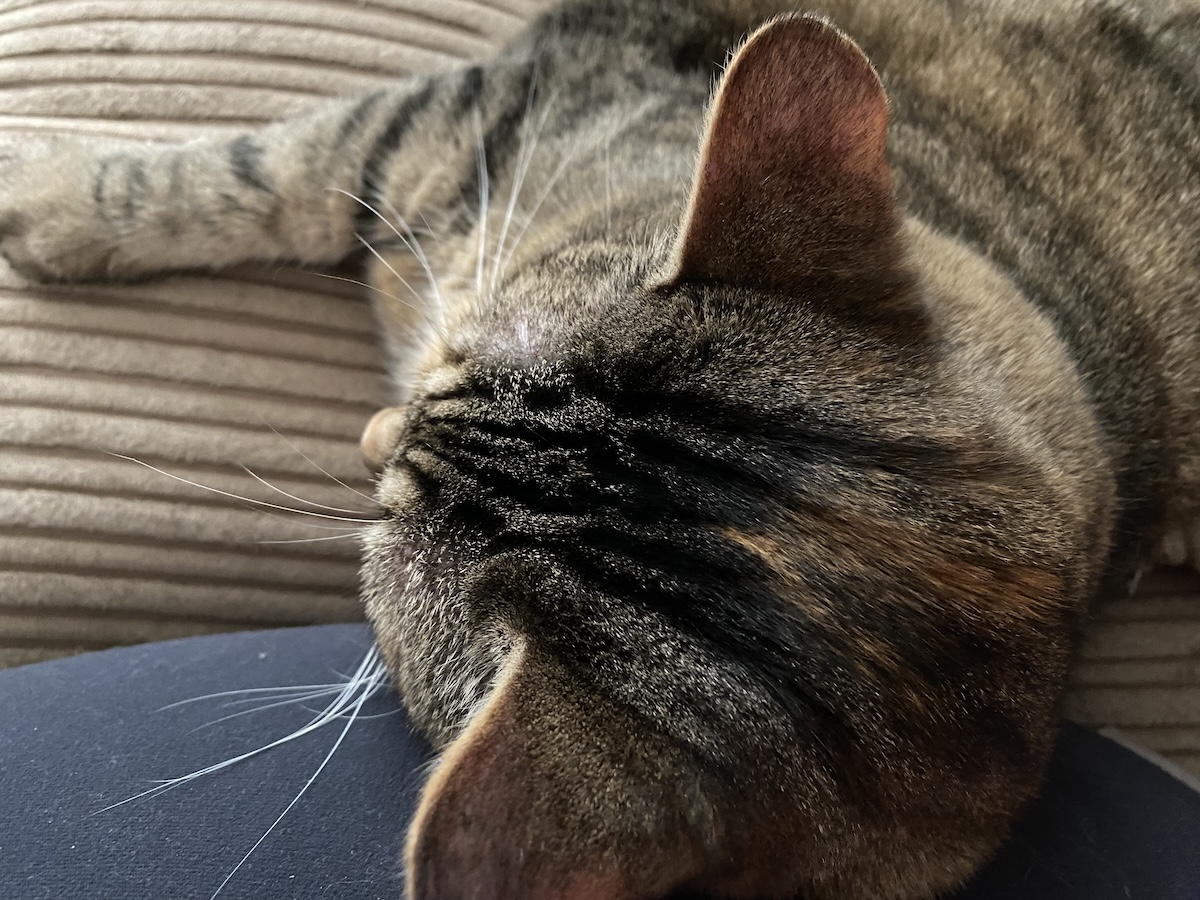
Featured Image Credit by: pzbasnik, Pixabay