

Click to Skip Ahead
Advances in veterinary medicine over the last few decades mean that our cats are living longer than ever. Sadly, however, it also means that veterinarians are seeing more and more cats with diseases of “old age,” where various parts of the body stop working as well as they used to. This can include the joints (arthritis), the kidneys (chronic kidney disease), and the brain. When the brain stops working as well as it used to, this can lead to confusion and changes in behavior – the signs of Feline Cognitive Dysfunction, the technical name for dementia in cats.

Can Cats Get Dementia?
Unfortunately, yes. Dementia in humans happens when the brain stops working as well as it used to, and we can see signs of this in older cats, too. This is thought to happen for several different reasons, including poor blood flow to the brain, a build-up of free radicals (a kind of damaging chemical), and protein “plaques” forming within the brain.
Veterinarians call this “cognitive dysfunction,” but it is similar to conditions like Alzheimer’s disease or vascular dementia in humans.
Signs of Dementia in Cats
There are several different symptoms that we can see in older cats that are suffering from dementia. Many cats with dementia will not have all these symptoms, and sometimes there is one symptom that is taken to an extreme where others are very mild.
None of these symptoms is exclusive to dementia. Many common illnesses including arthritis, high blood pressure, or an overactive thyroid gland (hyperthyroidism) may also cause many of these symptoms. This means it is important to see your veterinarian if your cat is showing any of these changes.

Common Symptoms of Dementia in Cats Include
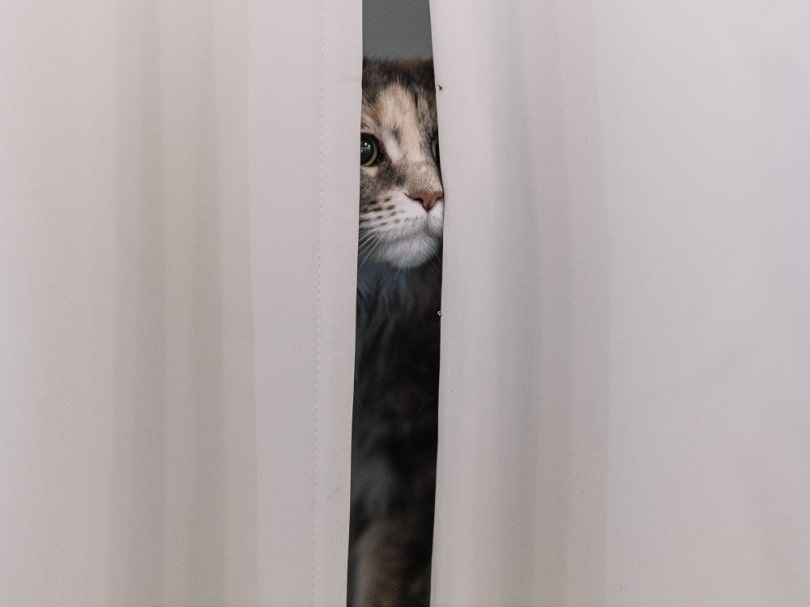
Confusion About Where They Are
Cats with dementia may stop recognizing places that should be familiar. They can be stressed or disorientated in their own homes, even if they have lived there for years.
You might see them:
- Wandering aimlessly from room to room.
- Going to the wrong door to go out, or to find food.
- Getting “trapped” in a corner because they cannot find their way out.
- Becoming stressed even in places that should be familiar.
- Toileting in the wrong place (see later).
Confusion About What Time It Is
Cats with dementia may lose track of what time of day it is. This means that they may start behaving oddly, or doing things at the “wrong time of day.” For example, they may:
- Ask for food at times of day that they are never normally fed.
- Not ask for food at their normal feeding times.
- Be asleep or awake at odd times of the day.
- Look for humans to return home (from work or school) at the wrong time of day.
Changes in Behavior Towards Humans
Cats with dementia may behave differently towards the people in their family, or towards strangers. They may:
- Seem not to recognize familiar people.
- Be less interested in affection.
- Be less interested in playing with people.
Relieving Themselves in the House
Cats with dementia may forget their house training and start passing urine or feces in odd places. This might include:
- Urinating or defecating in places they would never normally toilet in the house.
- “Missing” the litter tray and leaving deposits nearby.
- Toileting in places in the garden where they do not normally go.
Vocalization
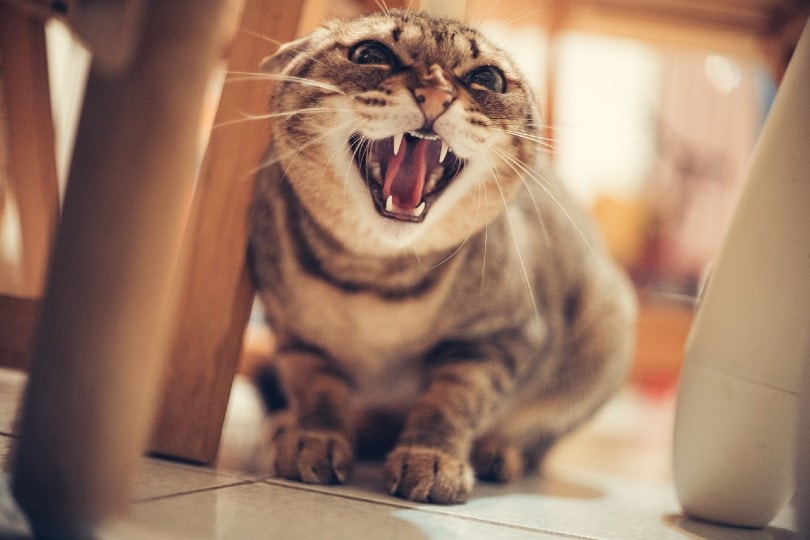
Cats with dementia are often generally more noisy than normal. They may meow more often when they want something, or they may make noises for no reason that we can see. This includes meowing, yowling, or full-on caterwauling. Sometimes cats with dementia will do this while staring at a wall, or into empty space, as though they can see something that we cannot.
Anxiety
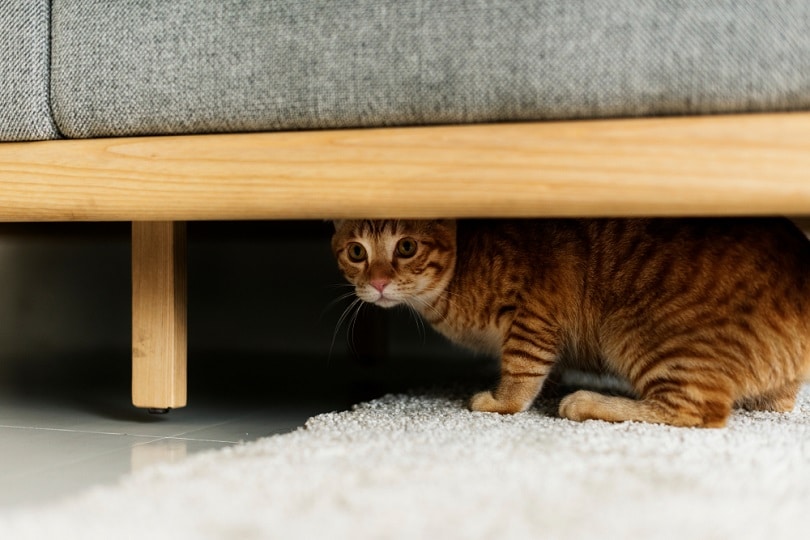
Many cats with dementia will become more anxious. This is partly due to the confusion that comes from not knowing what is going on around them, but also due to the changes in the brain that happen as a result of dementia.
Cats may appear tense in their faces or bodies, and may have difficulty relaxing. They may react more strongly to things that previously would not have bothered them, such as a door slamming or someone shouting. They may also not get on as well with other cats in the house, or may be more upset by seeing strange cats in the garden.

When Does Dementia Start in Cats?
Research into dementia in cats is still in its early stages. However, there is evidence that some decline can start at around 8 years old. This does not mean most cats will develop dementia at this age, but we can expect to see their brain function start to “slow down” around this time. The chances that a cat will develop dementia become higher over time – over a quarter of cats aged 11 to 15 years old will have some of the symptoms of dementia, increasing to around half of cats that are over 15 years old.
How Fast Does Dementia Progress in Cats?
There are currently no studies looking at the life expectancy of cats with dementia. Anecdotally, dementia appears to progress relatively slowly in cats, as it does in humans. However, other illnesses (such as chronic kidney disease, hyperthyroidism, or diabetes) may cause dementia to worsen more quickly.
By the time we notice the changes in our cats’ behavior, the dementia is likely to have been present for some time. With treatment, the symptoms of cognitive dysfunction can be managed, and many cats will live happily for months or years after diagnosis.
How Does a Veterinarian Diagnose Dementia in Cats?
“Exclusion” and Basic Tests
Feline Cognitive Dysfunction (the proper name for dementia) is a “diagnosis of exclusion.” This means there is no specific test that can say whether a cat does or does not have cognitive dysfunction. Instead, your veterinarian will have to look for other conditions that may cause similar symptoms. If they can rule out all other causes (or at least the most common causes) then they may diagnose your cat with cognitive dysfunction.
The basic tests for a condition that can mimic cognitive dysfunction include:
- Blood tests to look for illnesses such as hyperthyroidism, chronic kidney disease, or diabetes.
- Urine tests to look for illnesses such as bladder infections or protein in the urine.
- Blood pressure measurements as high blood pressure can affect the brain and cause similar symptoms to cognitive dysfunction. This is called “hypertensive encephalopathy.”
Your veterinarian will also discuss if there has been anything new or different going on at home that might account for the changes in your cat’s behavior.

More Specialized Tests
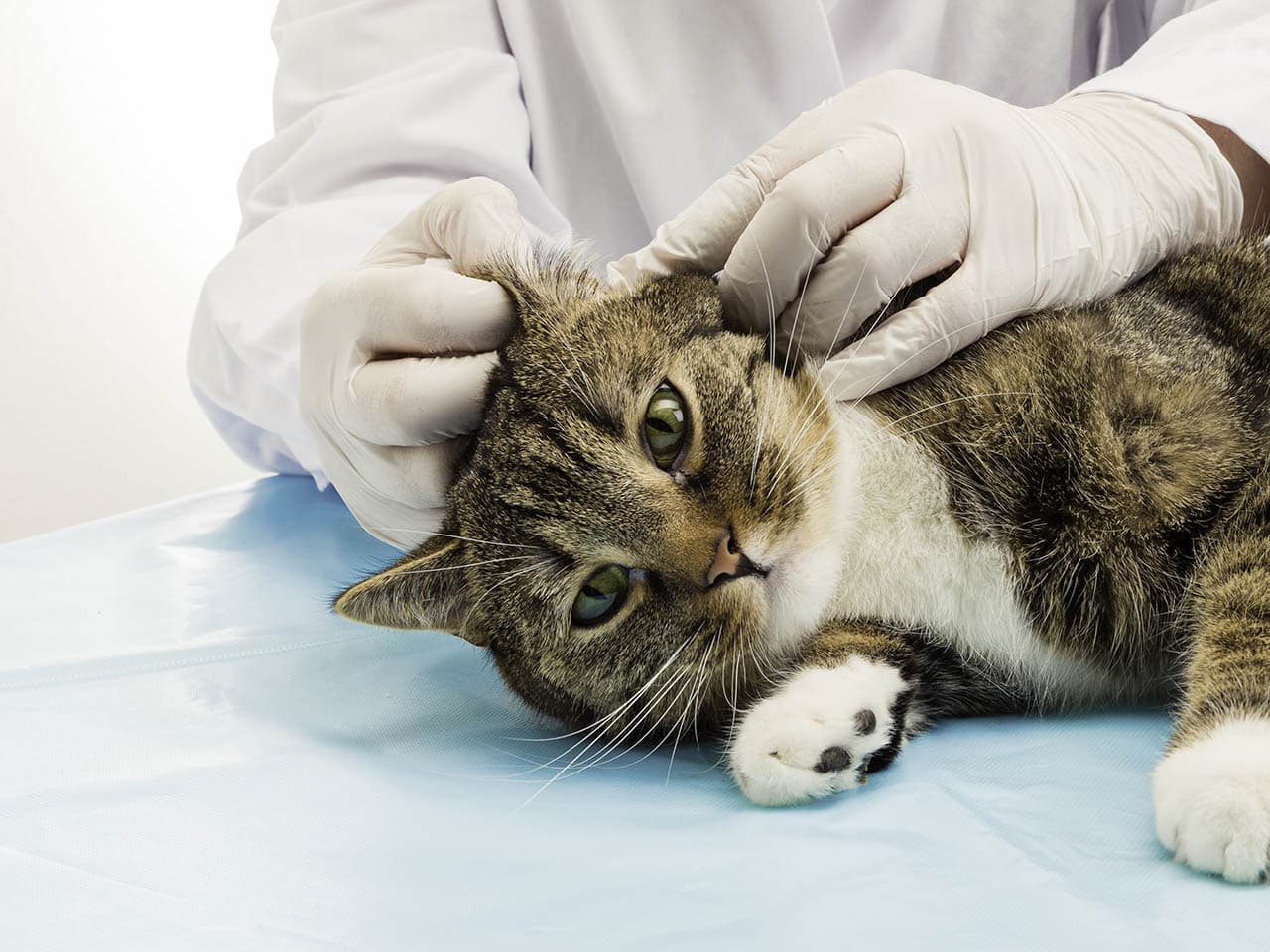
If any of these tests diagnose a problem, then your veterinarian may recommend treating the underlying condition and seeing if the symptoms of cognitive dysfunction improve. If they do not, then your vet may offer to refer you to a veterinary neurologist (an expert in brain diseases) for assessment. They may also perform specialized tests, including:
- Magnetic Resonance Imaging (MRI) scan to look at the structure of the brain. This is to look for signs of issues such as a tumor, a stroke, or inflammatory disease that might be affecting your cat’s brain and causing the symptoms.
- Cerebrospinal Fluid (CSF) tap to take a sample of the fluid that surrounds your cat’s brain. This can show signs of infection, inflammation, or occasionally tumors.
These tests are used to rule out conditions within the brain that might cause the changes in your cat’s behavior. Some of the conditions that can be found in this way are treatable or even curable if detected early enough.
However, these specialist tests are more invasive, and they require a general anesthetic to perform. Some pet parents decide they do not wish to put their cats through these tests, in which case a presumptive diagnosis of cognitive dysfunction may be made after the first set of tests.

Dementia in Cats: Treatment
Sadly there is no cure for dementia in cats. Treatment focuses on slowing down the rate at which it gets worse, and improving quality of life in the meantime.
Supplements
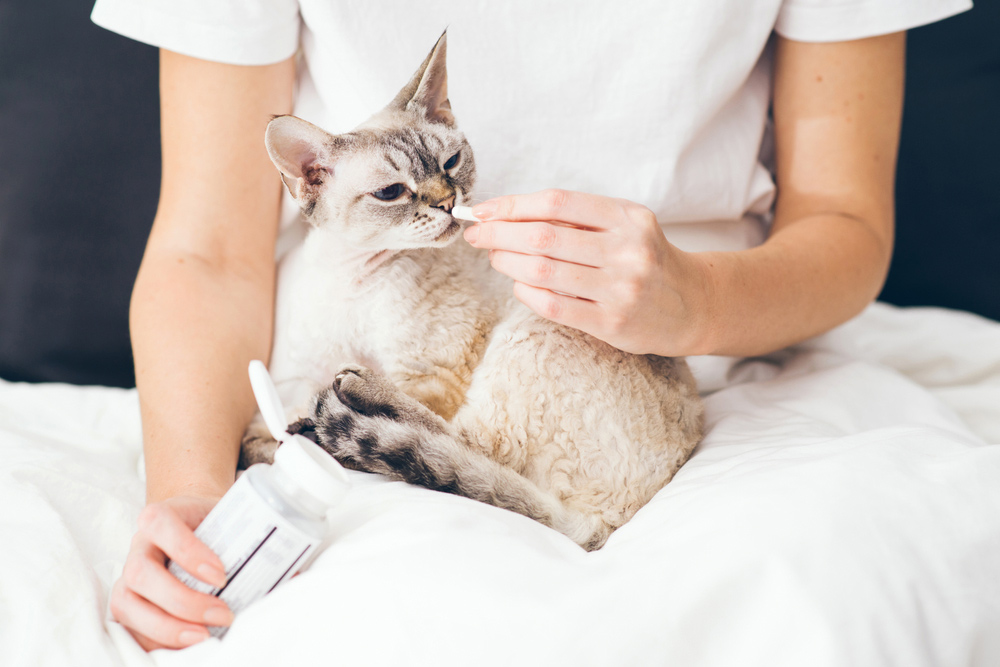
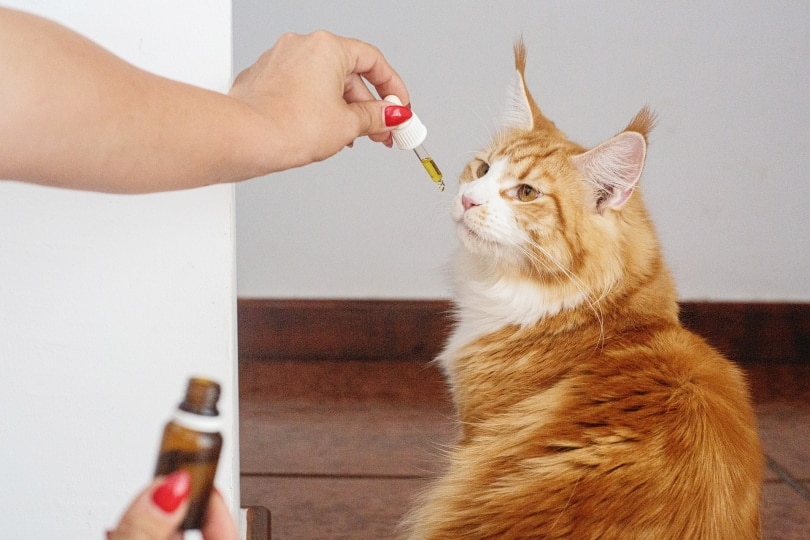
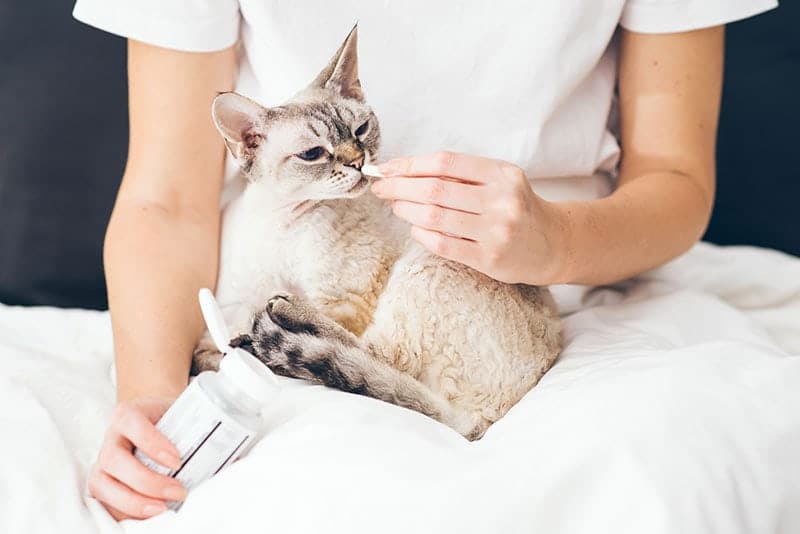
Certain nutrients may help to slow the aging process in the brain, including antioxidants such as vitamin E, S-adenosylmethionine (SAM-E), and fish oils rich in omega-3 and -6 fatty acids. There are many brands of supplements containing these nutrients available for cats – ask your veterinarian for a recommendation. Do not use human or dog supplements, as these can be toxic to cats.
Diet
In dogs, a prescription diet supplemented with medium chain triglycerides (MCTs) has been shown to improve the symptoms of dementia. However, studies have not yet been done to test if these are beneficial to cats.
Medication
There are currently no FDA-approved medications for the treatment of dementia in cats. However, veterinarians can prescribe other medications that are approved for dogs or humans – this is called “off-label” use. These include:
- Selegiline (Anipryl®) – a MonoAmine Oxidase Inhibitor (MAOI), which is approved for the treatment of cognitive dysfunction in dogs. It may be helpful to treat cats that are disorientated, anxious, or that are much noisier than normal.
- Propentofylline – a xanthine derivative that may increase blood flow to the brain. It is licensed for treating dogs in some countries (including Europe and the UK) but not FDA-approved for use in pets. It may help to treat some of the symptoms of dementia.
- Anti-anxiety medication such as anti-depressants may be useful for cats that are anxious or agitated as a result of their dementia. In humans, they also help to improve brain function, but it is not known if the same is true in cats.
It is also important to treat any other health conditions that your cat has. Many common conditions, including high blood pressure, arthritis, or an overactive thyroid gland (hyperthyroidism) can all cause similar symptoms to cognitive dysfunction, so you should follow your veterinarian’s guidance on treatment and monitoring for these conditions.
Conclusion
Cats can indeed develop cognitive dysfunction, or dementia, as they get older. However, dementia in cats can be hard to diagnose. It is important to get your cat to the vet if they start displaying unusual behaviors, especially if they are older so that your vet can rule out other possible conditions. If dementia is the diagnosis, quick treatment can slow the progression of the disease but will not cure it entirely.
Featured Image Credit: yarmrtsnk, Shutterstock