
Similar to human immunodeficiency virus (HIV), feline immunodeficiency virus, or FIV, attacks the immune system to the point that it cannot fight off common infections. Once a cat becomes infected with FIV, their immune system gradually weakens, decreasing its strength against secondary and opportunistic infections. This results in the rapid proliferation of the organism and signs of disease. Over time, the immune system becomes powerless against invaders, leading to severe illness that may have been minimal if the cat’s defenses were functioning normally.

What Is FIV?
FIV was discovered in the United States in 1986 after the virus was isolated from samples collected from ailing cats.1 It’s classified as a retrovirus, belonging to the same family of viruses as HIV in humans.2 FIV is commonly referred to as the “feline AIDS” of cats because they will exhibit similar signs as people with AIDS. Although FIV and HIV are closely related, they are species-specific viruses, meaning a cat cannot transmit FIV to a person or another animal, and a person cannot transmit HIV to a cat.3 According to the Cornell Feline Health Center, there is currently no evidence that a human can become infected with FIV.4
From African lions to domesticated house cats, felines all around the world can be affected by FIV. Once infected, the cat carries the virus for the remainder of their life. FIV attacks the immune system, most commonly white blood cells known as lymphocytes and macrophages, but it can also infect the cat’s salivary glands and central nervous system. The virus replicates itself in the white blood cells, destroying them over time. The resulting immunosuppression causes the cat to become susceptible to usually harmless and commonly encountered organisms in the environment, including bacteria, viruses, parasites, protozoa, and fungi. Once a cat is immune deficient, they may be susceptible to severe illness. FIV alone does not cause the demise of cats, however, and cats diagnosed with FIV may live for many years in good health.5 The resulting infections and illnesses due to a suppressed immune system are what put a cat’s life at risk.
What Are the Signs of FIV?
Signs of FIV are usually inapparent until the cat develops a secondary or opportunistic infection. The cat may have a transient fever, lethargy, and enlarged lymph nodes shortly after becoming infected with FIV. These initial signs resolve, and the cat may appear healthy for months or years. The latency period, or the time that the cat’s without signs of clinical disease, may last an average of 5 years. Eventually, the suppressed function of the immune system leads to increased opportunities for secondary infections to occur, impacting the cat’s quality of life and survival.
According to PetMD, there are three stages of FIV:
- Acute phase: Signs may include fever, lethargy, and enlarged lymph nodes shortly after infection. The acute phase may last 1–3 months. This phase may go unnoticed by the owner.
- Latent or asymptomatic phase: Cat seems healthy for months to years after the initial infection. There will be no apparent signs of disease. Some cats infected with FIV do not progress past this phase.
- Feline AIDS phase (acquired immunodeficiency syndrome of cats): The cat is immunocompromised and susceptible to secondary infections, which may manifest as clinical signs of disease. Some cats become severely ill with chronic and recurrent infections, cancers, neurological disorders, or other ailments. Once a cat reaches the terminal stage of feline AIDS, survival time may only be 2–3 months.
When a cat reaches the feline AIDS stage of FIV, clinical signs of illness may develop. Common signs include:
- Lethargy
- Weight loss
- Poor appetite
- Fever
- Vomiting
- Diarrhea
- Gingivitis and stomatitis (inflammation of the gums and mouth)
- Conjunctivitis (inflammation of the thin membrane lining the eyelid and eyeball)
- Lymphadenopathy (enlarged lymph nodes)
Chronic or recurrent infection of the respiratory, gastrointestinal, and urinary tracts, skin, and eyes may occur. Cats with FIV are more susceptible to cancer and immune-mediate blood disorders compared to healthy cats without FIV. Autoimmune hemolytic anemia is a blood disorder in cats that may develop as an outcome of FIV.

What Are the Causes of FIV?
FIV is mainly transmitted from one cat to another through bite wounds. You can think of a cat’s canine teeth as hypodermic needles. The teeth puncture deeply into tissues, which seeds the FIV virus far into the flesh. Much like a needle injects a vaccine into the body, the teeth “inoculate” the other cat with FIV-infected saliva. The newly infected cat may have mild signs, including fever, inappetence, and enlarged lymph nodes, that resolve 1–3 months after the initial infection. During the latent or asymptomatic phase, the cat sheds the virus in their saliva and can infect other cats with FIV. According to the American Association of Feline Practitioners, newly exposed cats may spread FIV within 2 weeks after infection. Free-roaming intact male cats have the highest risk of contracting FIV due to their propensity for fighting. About 2.5–5% of healthy cats in North America have FIV. This percentage is higher for cats already at risk, such as those battling an illness or disease.
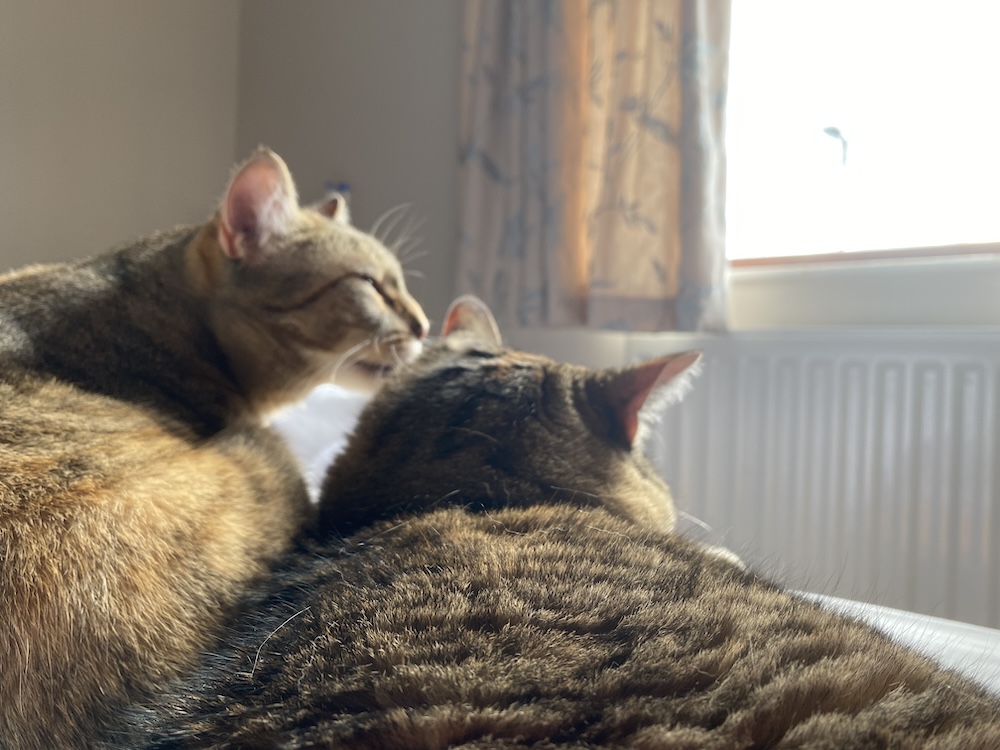
Although FIV spreads through bite wounds, it can also spread through infected blood (white blood cells). Examples include FIV-infected blood contaminating an open wound on another cat or transfusing blood from an FIV-positive cat to one that is FIV-negative. FIV cannot survive for prolonged periods outside the living host, so friendly behaviors between cats, such as mutual grooming or sharing food containers, are unlikely to spread the virus. Household cats that co-exist peacefully without fighting are at little risk of becoming infected with FIV.
Although uncommon, kittens may acquire FIV from their mothers. In experimental studies, up to 70% of kittens contracted FIV after their mothers became infected with the virus during pregnancy. The virus may be transmitted by the placenta, during the birthing process, or through the milk to nursing kittens. The VCA states that “around a 1/4 to 1/3 of kittens born to infected mothers are likely to be infected themselves.” Sexual transmission of FIV is also uncommon but can occur during mating.
How Do I Care for a Cat With FIV?
All new cats brought into a household, cats showing signs of illness, or those with a risk of exposure to FIV, such as outdoor cats, should be tested for FIV antibodies. Your veterinarian may collect a blood sample from your cat for an in-house enzyme-linked immunosorbent assay or rapid immunomigration test, often known as an FIV/FeLV SNAP combo test. Cats with a negative FIV test should be retested in 60 days, as newly infected cats may not start producing enough detectable antibodies against FIV for 2–6 months after initial exposure. Positive tests should be confirmed by re-running a sample with another manufacturer’s SNAP test or by sending blood samples to laboratories for polymerase chain reaction, western blot, or immunofluorescence testing. Once a cat is confirmed to have FIV antibodies, the antibodies will persist for life.
It is important to note that cats vaccinated against FIV may have a positive antibody test, as they may produce FIV antibodies for 7 years or more after being vaccinated. If your cat has had an FIV vaccination, inform your veterinarian before testing. Since 2015, FIV vaccines have not been available in North America but are still available in other countries, such as Australia, New Zealand, and Japan.
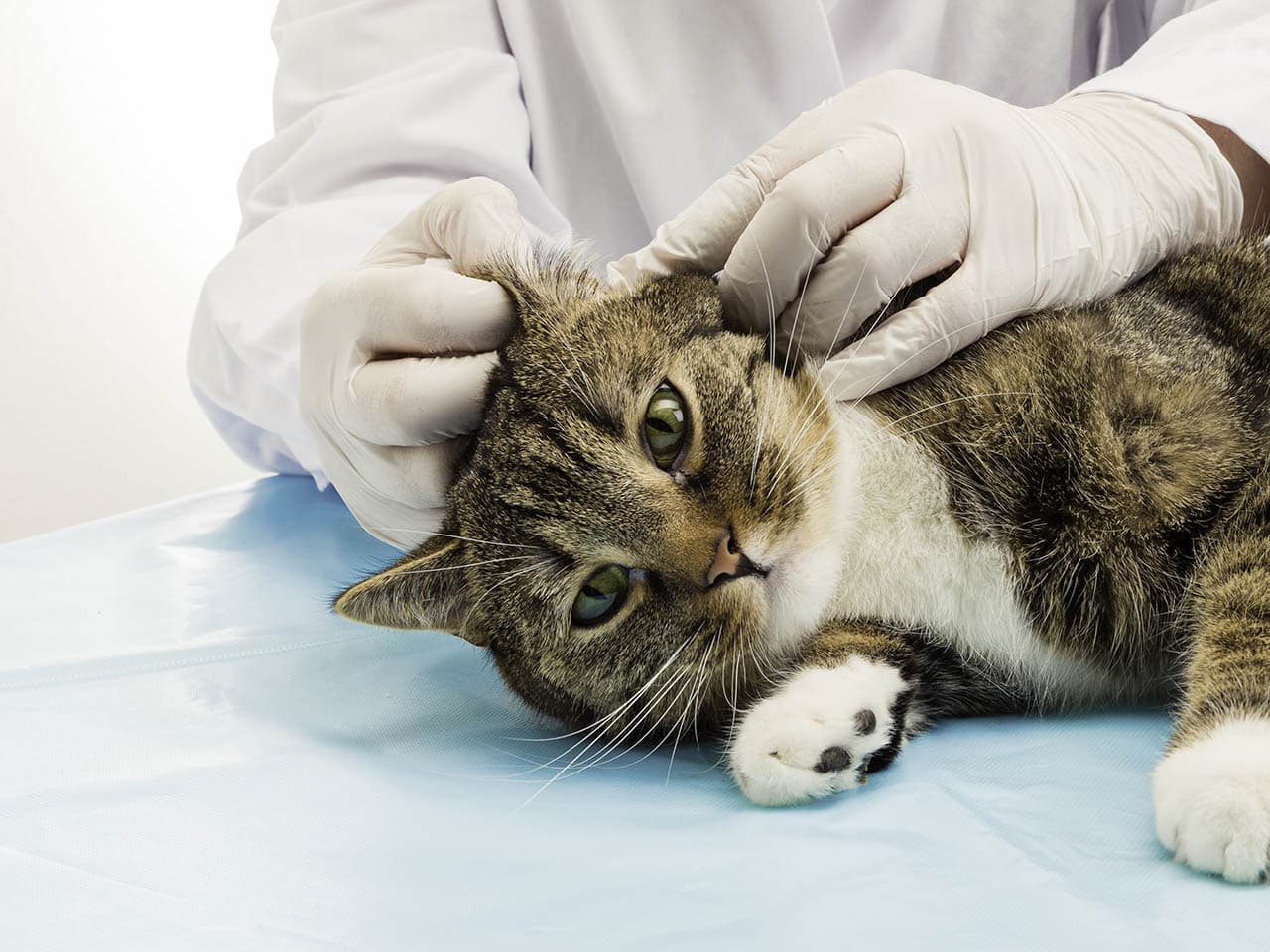
All FIV-positive cats should have a wellness visit at least every 6 months. Your veterinarian will perform a complete physical examination, paying attention to the mouth, eyes, skin, and lymph nodes for any signs of disease. Close monitoring of your cat’s health and weight is important, as weight loss is often the first sign of a problem. Quickly address any signs of illness, since a cat with immunosuppression due to FIV may need more intensive care than a cat without FIV. Avoid feeding your cat raw or unpasteurized food to minimize the risks of food-borne illnesses and infections.
Unfortunately, there are no treatments or cures for FIV. An antiviral medication called Zidovudine may help cats with stomatitis or neurological signs secondary to FIV. However, studies have shown that it does not prolong the life expectancy of cats with FIV. Research with different antiviral therapies targeting FIV is ongoing.
How Do I Prevent FIV?
Efforts to prevent FIV should focus on routine healthcare, FIV testing, timely treatment of illnesses, and taking measures to minimize the spread of the virus to other cats. Cats should be kept indoors or have access to an outdoor enclosure such as a catio instead of being allowed to roam freely outside. Indoor cats need daily enrichment activities to minimize stress and fighting among housemates. Spaying and neutering cats prevent FIV from being passed on to kittens or through breeding. It can also decrease a male cat’s urge to roam and fight. Separating FIV-positive felines from those without the virus can prevent the spread of the disease.
Frequently Asked Questions (FAQs)
Can my other pets get FIV?
No. The virus is only transmitted from cat to cat. Other pets and people are not at risk of infection.
My cat was recently diagnosed with FIV. Do I have to euthanize them?
As long as your cat remains happy and healthy, you do not have to euthanize them. Cats may live for many years without signs of illness. Euthanasia may be reasonable when their quality of life deteriorates.
Conclusion
FIV leads to a dysfunctional immune system that is unable to fight infections. Not all cats with FIV will develop severe disease, however, and many will have a good quality of life for years. FIV-positive cats need close monitoring, and any signs of illness need prompt assessment and treatment. Cats should be kept indoors, spayed or neutered, and discouraged from fighting to prevent the spread of the virus. There are no cures for FIV, though research is ongoing.
Featured Image Credit: Vladimir Gudvin, Shutterstock