
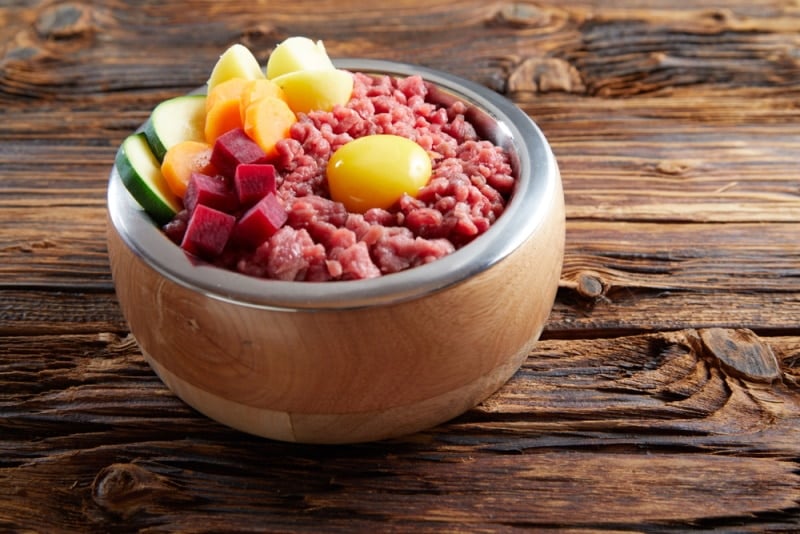

Choosing the proper diet for your cat is an incredibly difficult decision. You must balance your desire to give your cat what’s best and consider their finicky nature. Time and effort are also big considerations. Raw pet food is all the rage in some circles, thanks to the worldwide movement in the human marketplace for natural and organic food.
Feeding raw foods to companion pets is controversial, however. Sure, your cats’ wild ancestors ate a raw diet in the wild, but is your domesticated kitty designed for such a diet? Since your cat is a natural predator, feeding it raw food seems ideal.
Cats are obligate carnivores, and they require a diet composed of mostly animal tissue to thrive. So, on paper, a raw diet should meet your kitty’s nutritional requirements. But does it? Keep reading to find the benefits, drawbacks, and considerations of a raw food diet for cats.
- Can be easy
- High-quality nutrition
- Promotes health
- Difficulty transitioning
- Inconvenient preparation and storage
- Can be expensive

What Is Raw Cat Food?
A raw diet is a broad term for uncooked and unprocessed food derived from raw ingredients. Raw pet food producers use uncooked meat, fish, and organs as the main ingredients in their recipes. Sometimes, they include ground bone for calcium. In addition, they often boost the nutritional value by fortifying the recipes with vitamin and mineral supplements to ensure your kitty isn’t missing out on critical nutrients.
For food to truly be considered “raw,” it cannot be processed using heat. The raw food diet is sometimes known as a biologically-appropriate raw food (BARF) diet. The ultimate goal of a raw diet is to provide food that resembles a cat’s wild diet as much as possible.
What Are the Different Types of Raw Cat Food?
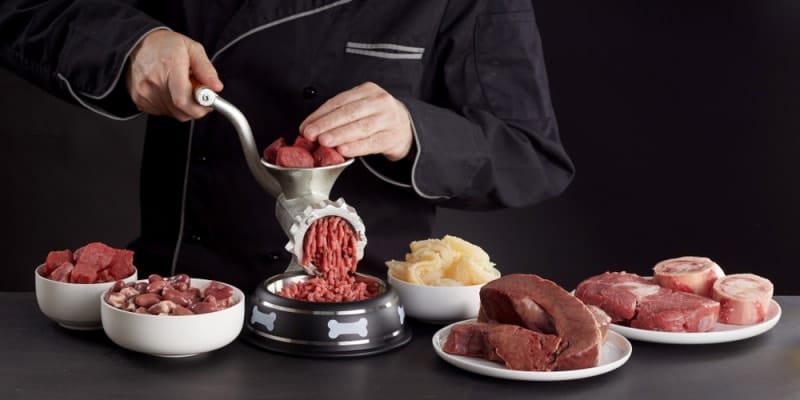
Raw cat food is available in two primary forms. Some cat parents make raw food at home, while others use commercially available options. Homemade raw food allows you to control every aspect of what goes into your cat’s food. However, it isn’t as easy to prepare as one might think since offering the meat alone won’t be a nutritionally complete diet for your kitty.
For a nutritionally complete diet, cats need the perfect balance of fats, vitamins, minerals, and amino acids. These nutrients are not available from meat alone. You must include a combination of meat, internal organs, minerals, supplements, and other ingredients in the perfect amount and proportion to ensure your kitty gets what they need to thrive.
As more people feed their cats a raw diet, pet food manufacturers are focusing their attention on addressing this growing desire. You may have seen freezers in the pet food aisle of your local supermarket or pet supply store. The commercially available raw foods are typically meant to be just as easy as cracking open a can of processed foods.
Commercially available raw food is sold in frozen or freeze-dried formulas. You can find them online or in pet stores. Unfortunately, not all raw foods contain the perfect balance of nutrients cats need, so you need to add supplements to ensure your cat gets everything they need nutritionally to thrive.

Advantages of Raw Cat Food
Raw cat food proponents report a lot of advantages to offering their cats a raw diet over canned food and kibble.
1. Fewer Processed Ingredients
One of the most significant advantages of a raw food diet is fewer processed ingredients in the recipes. Proteins, amino acids, and nutrients vital to the health of cats undergo substantial physical changes during the manufacturing process of pet foods. Depending on the type of processing, temperature, and ingredients used in the recipes, the processes can affect the protein digestibility and nutrient bioavailability.
However, it’s important to note that “raw” is not synonymous with “high quality.” Cooking can improve the nutritional value of some foods. For example, some raw seafood contains an enzyme known as thiaminase that can break down thiamine.
Cats that eat a diet made predominantly of raw seafood may be at risk of thiamine deficiency, which can lead to seizures or even death. Cooking seafood will break down thiaminase, making the food safer for cats. However, if the fish had been kept frozen for a long time, most of the thiamine might have already been lost.
2. High-Quality Nutrition
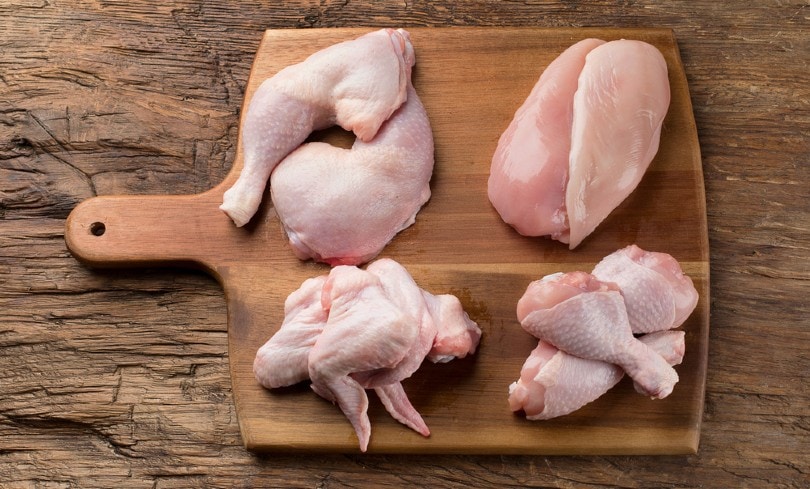
When prepared correctly, a raw diet is more nutritious for your cat than wet food or kibble. A raw diet usually contains more natural ingredients without artificial colors and flavorings. Commercially available raw diets prioritize whole ingredients to balance fats, proteins, and calories with the other nutrients cats need without relying on fillers.
A homemade raw diet is typically composed of human-grade food. Most owners who prepare raw food for their cat shop in grocery stores or butcher shops, where higher-quality meat is readily available,
3. Promotes Healthy Digestion & Stool Quality
For cats with sensitive stomachs, a raw diet can alleviate digestive issues. Cats may have difficulty digesting some of the fillers and supplements included in other commercial foods. However, since a raw diet more closely mirrors what they would eat in the wild, raw food is more acceptable to your cat’s digestive system.
A cat’s digestive system is designed for a meat-based diet. Their digestive tract is short and acidic, allowing them to process raw food in around 12 hours. This fast turn-around time gives bacteria little time to grow, which may make cats resistant to food poisoning.
Studies suggest that raw meat-based diets are significantly higher in digestibility for crude protein. A study from 2002 fed kittens a raw rabbit diet and found that their stool quality was improved after just a week. Cats fed diets comprised of a large amount of carbohydrates often struggle to digest the excess carbs.
Since much of what they’re eating isn’t efficiently processed, their stools may be larger and more aromatic. A raw diet may eliminate the volume and smell of their waste.
4. Potential for Increased Skin and Coat Health
Proponents of the raw cat food diet say they notice marked improvements in their cat’s skin and coat health. The coats may become softer and silkier thanks to the essential fatty acids in the raw food diet. The problem with these purported benefits is that they are subjective and can be challenging to measure.
There doesn’t appear to be much scientific evidence proving these claims are true. However, raw food advocates are convinced that switching to a raw food diet can drastically change your cat’s health. The most noticeable change will be softer, shinier fur.
5. Aditional Health Benefits
Some reported benefits of feeding a raw diet to a cat include that their breath will likely improve because chewing meat and bones helps keep their teeth clean. In addition to looking healthier, your cat may feel healthier. Since the protein in raw meat is higher quality and more easily digestible, your cat may have more energy.

Disadvantages of Raw Cat Food
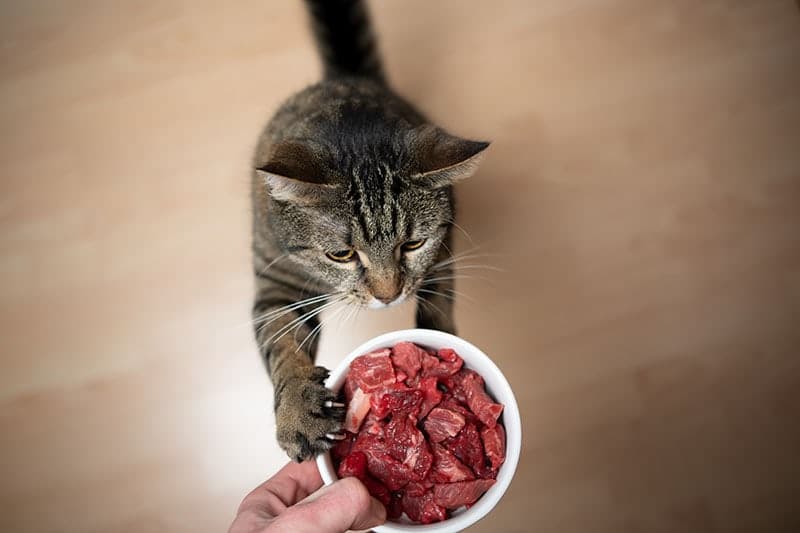
Though there may be advantages to feeding your cat a raw food diet, there are several disadvantages.
1. Potential for Bacterial Contamination
According to the FDA, raw pet food may be more likely to be contaminated with disease-causing bacteria than other pet food. In a study from 2010 through 2012, the Center for Veterinary Medicine screened over 1,000 pet food samples for bacteria known to cause foodborne illnesses.
This study examined 196 raw pet food samples and found harmful bacteria like Salmonella and Listeria monocytogenes in nearly 50. This is a health risk for both the pet eating the raw food and the owner handling it.
2. High Cost
Feeding your pet a raw diet can be very expensive. This is especially true when you make the first recipe since you may need to sample many types of food to see which your cat prefers. Raw diets are pricier on a “per feeding” basis, especially if you use commercially available and ready-to-serve meals.
You can save money by making raw meals, but remember to ensure they are nutritionally complete before feeding them to your pet. A raw diet may also need supplements added to it, such as taurine. Taurine is an essential amino acid that cats require for the health of their eyes and hearts, but most foods don’t contain enough of it naturally.
3. Preparation
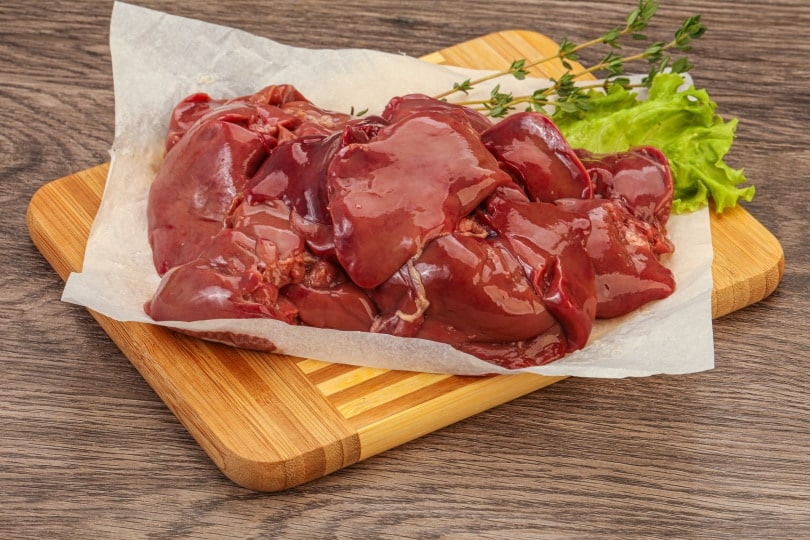
Feeding your cat a raw diet requires large quantities of meat that many people find unappetizing. Many pet owners turn their noses up at the thought of dicing chicken hearts and livers for their cat’s food. Even though organ meat isn’t usually part of an American human’s diet, it contains valuable vitamins and minerals for your cat.
4. Storage & Shelf Life
Storing raw food can be tricky. Commercial raw food can be frozen, fresh, or freeze-dried, which will take up considerable space in your fridge or freezer. Homemade raw food requires you to buy fresh meat and store it properly, which can take up space in your fridge. While canned or dry food lends itself to being stored in a cabinet, you must take extra care with raw food to avoid spoilage and bacterial growth.
Processed cat food has a much longer shelf life than raw food. Thawed raw food must be kept in the fridge and consumed within a few days, while kibble can last for weeks or months if stored in a dark, cool place.
5. Potential for Foreign Bodies
Raw cat food may contain pieces of bone. While bone is essential for providing nutrients like calcium, the size of the bone pieces can vary and may cause problems. Bone particles can damage your kitty’s teeth, leaving them prone to infection. Larger pieces can cause blockages in the intestine and could even perforate the lining.
6. Difficulty Transitioning
Switching your cat to a raw diet can be incredibly difficult. A cat who has spent their entire life thinking that food only comes in round pellets may have difficulty recognizing a piece of chicken on a bone as something they should eat. Cats are notoriously picky about food, so there may be a great deal of trial and error in finding food that appeals to them. It’s substantially easier to choose food your cat likes when it’s as simple as picking up a can.

Frequently Asked Questions (FAQs)
Where Does One Find Raw Food?
So, you’ve decided that you’d like to give the raw food diet a chance, but now you’re unsure where to find the right food. If you don’t make your own, you have plenty of options for commercially-made raw food.
Stella & Chewy is one of the most popular raw brands. Their line-up includes freeze-dried morsels, raw-coated kibble, and pates. Since their inception, Stella & Chewy has expanded beyond raw diets to provide various foods to suit different dietary needs and budgets.
Nature’s Variety Instinct is another famous raw food brand. Their meals are freeze-dried for optimal digestion and nutrient absorption and have been designed to be complete and balanced.
Is a Raw Food Diet Complete and Balanced?
You have probably seen the “complete and balanced” terminology on cat food at your favorite pet store. This means that the food in question contains the required nutrients for your pet’s life stage as determined by the AAFCO. Unfortunately, one of the most significant drawbacks of the raw food diet is that not all commercially available foods are complete and balanced.
If you’re shopping for raw food from the store, you’ll need to examine the label for the AAFCO nutritional adequacy statement. If there is no mention of the product being complete and balanced, you’ll need to buy a nutritional supplement or vitamin pack to ensure your kitty gets the essential nutrients and vitamins.
If you make your own raw food, you’ll need to find recipes that include all the essential vitamins and minerals. This may prove very difficult, so you might need to buy a supplement or vitamin pack to ensure you’re checking off all the boxes.
How Can I Transition to a Raw Diet?
Transitioning your kitty to a new food, whether raw or not, shouldn’t happen overnight. Cats are notoriously finicky, and switching an adult cat accustomed to eating only kibble or canned food to a raw diet is challenging.
To help your cat adjust to the new diet, combine 25% of the raw food with 75% of the current food for several days. After your kitty has gotten used to this mixture, increase the percentage of raw food by 25% every 3 days. Then, once your pet is familiar with the new food, you can fully transition them.

Conclusion
Changing your cat’s food should not be done lightly. Since most cats resist change, you shouldn’t switch to raw food unless you ensure it contains the nutrients your cat needs. It’s important to weigh the pros and cons and evaluate what’s best for you and your cat before switching.
If you’re considering switching your cat to a raw food diet, we recommend thoroughly researching beforehand. Our article is an excellent jumping-off point, but there are several resources that you should consult before making the leap into a completely raw diet. When in doubt, make an appointment with your veterinarian and ask for their advice.
Related Read:
- 26 Things You Can Feed Your Cat When Out of Cat Food
- Transitioning Your Cat to Raw Food: 5 Crucial Tips
Featured Image Credit: 8H, Shutterstock
Contents
- What Is Raw Cat Food?
- What Are the Different Types of Raw Cat Food?
- Advantages of Raw Cat Food
- 1. Fewer Processed Ingredients
- 2. High-Quality Nutrition
- 3. Promotes Healthy Digestion & Stool Quality
- 4. Potential for Increased Skin and Coat Health
- 5. Aditional Health Benefits
- Disadvantages of Raw Cat Food
- 1. Potential for Bacterial Contamination
- 2. High Cost
- 3. Preparation
- 4. Storage & Shelf Life
- 5. Potential for Foreign Bodies
- 6. Difficulty Transitioning
- Frequently Asked Questions (FAQs)
- Where Does One Find Raw Food?
- Is a Raw Food Diet Complete and Balanced?
- How Can I Transition to a Raw Diet?
- Conclusion